

Key Takeaways
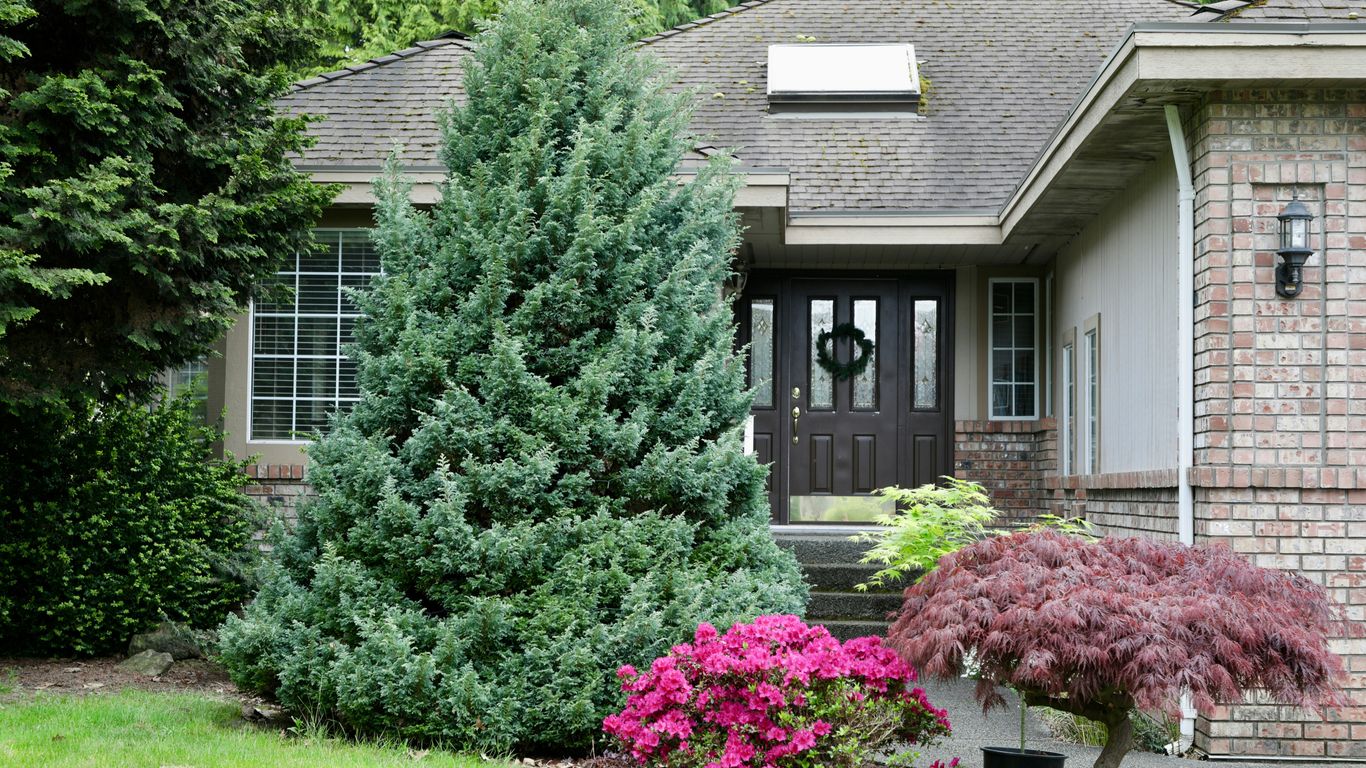
Most residential removals in Reading fall between $500 and $3,000, with many ordinary jobs landing near the middle of that range. The estimate changes when the tree is large, unstable, difficult to access, or close to something that cannot be damaged.
- A small, open-access tree may start near $500.
- Medium trees commonly require more rigging, cutting, and cleanup.
- Large trees near homes, wires, or fences can reach $3,000 or more.
- Stump grinding, hauling, and crane work may be separate estimate items.
- An on-site assessment gives a more useful number than an online average.
What tree removal typically costs in Reading, MA
For 2026, tree removal cost reading ma is typically about $500 to $3,000 for one residential tree. A straightforward small or medium removal often falls between $500 and $1,500. Large, hazardous, or tight-access work can move above that range.
The numbers below describe typical market pricing in Reading and eastern Massachusetts, not a company rate sheet. We price the work after seeing the tree, the landing area, and the equipment route.
Typical market ranges for small, medium, and large trees
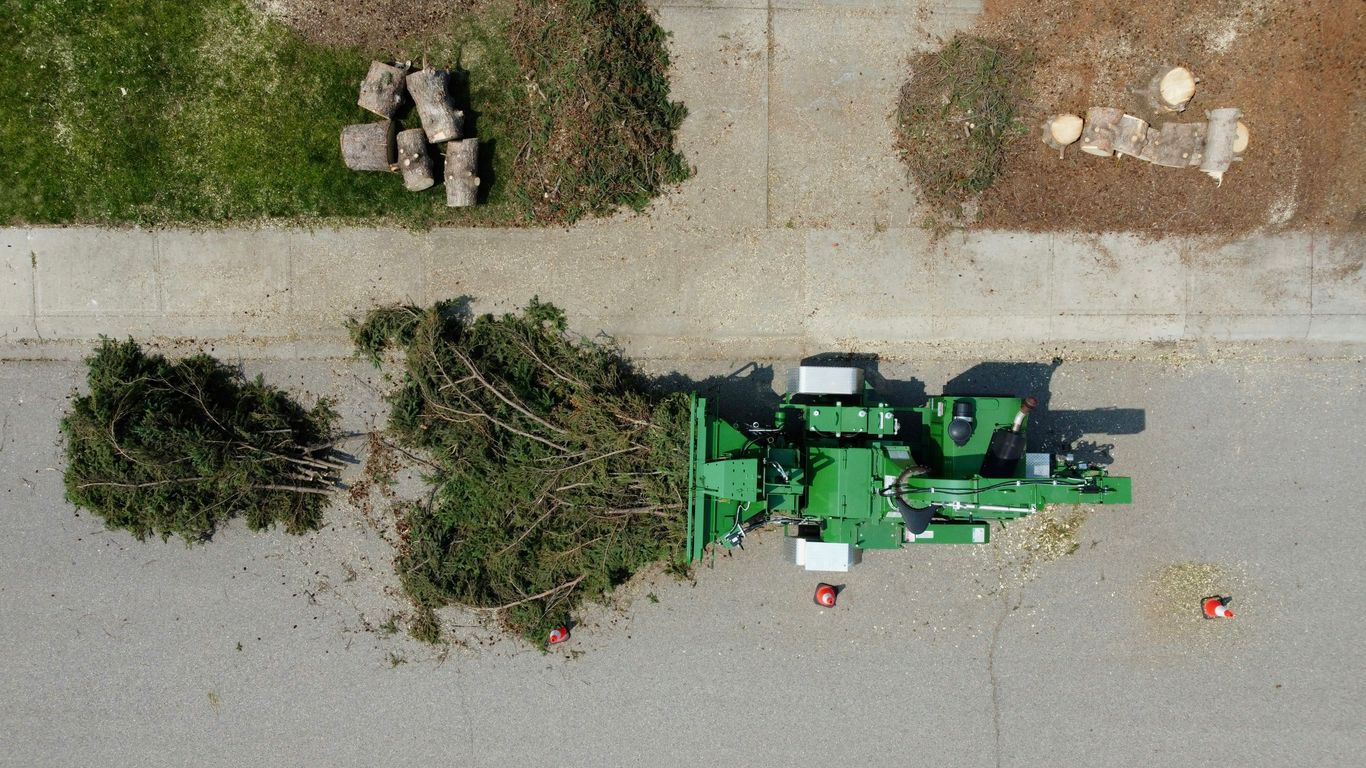
A small tree under roughly 30 feet with open access may sit near the lower end. A medium tree from about 30 to 60 feet usually requires more cutting and control, while a mature tree over 60 feet carries more wood, rigging, and exposure.
| Tree category | Typical market range | Common work profile |
|---|---|---|
| Small | $500 to $800 | Simple climb or light equipment work |
| Medium | $800 to $1,500 | Sectional cutting and controlled lowering |
| Large | $1,500 to $3,000+ | Heavy limbs, rigging, and greater property protection |
| Extra difficult | $3,000+ | Tight access, severe lean, or crane planning |
These are useful planning figures, not a promise for a particular tree. Our Massachusetts tree removal cost guide gives another way to compare size, access, stump work, and removal complexity.
Why a basic removal may start around $500
A basic removal has a short route from the tree to the work area, enough room for limbs to be lowered, and no structure directly below the canopy. A smaller trunk also means fewer cuts, less handling, and less time loading the brush and wood.
The price still includes more than the cut itself. Crew time, climbing or equipment setup, lowering pieces, processing material, and cleanup all belong in the scope. The company’s public pricing anchor begins at $500, but that is not a quote for every small tree.
How difficult removals reach the upper end of the range
A large red oak beside a house can cost several times more than a small ornamental tree in an open yard. Heavy limbs may need to be rigged down instead of dropped, and the crew may have to protect roofs, fences, gardens, driveways, and septic features.
A dead or split tree adds another layer because the wood may not hold climbing hardware or behave normally under pressure. Trees close to utility lines require careful planning and may require coordination before work begins. Those conditions push the job toward the upper end of the range.
Why online averages do not replace an on-site estimate
An online average cannot see the tree’s lean, trunk defects, ground conditions, or the distance to the truck. It also cannot tell us whether a backyard gate admits the equipment needed for the removal.
We use an on-site estimate to define the removal method and the cleanup scope. That makes the number useful for comparing bids, rather than just giving you a national average with no connection to your Reading property.
The main factors that change your tree removal price
Size sets the starting point, but location and condition often decide the final number. A 40-foot pine in an open yard may be easier than a shorter maple over a garage. Reading properties can also have narrow side yards, mature landscaping, wet soil, and overhead lines that limit the work route.
We look at the tree and the surrounding property together. The estimate should show why the work needs a particular crew, method, or piece of equipment.
Tree height, trunk diameter, and number of limbs
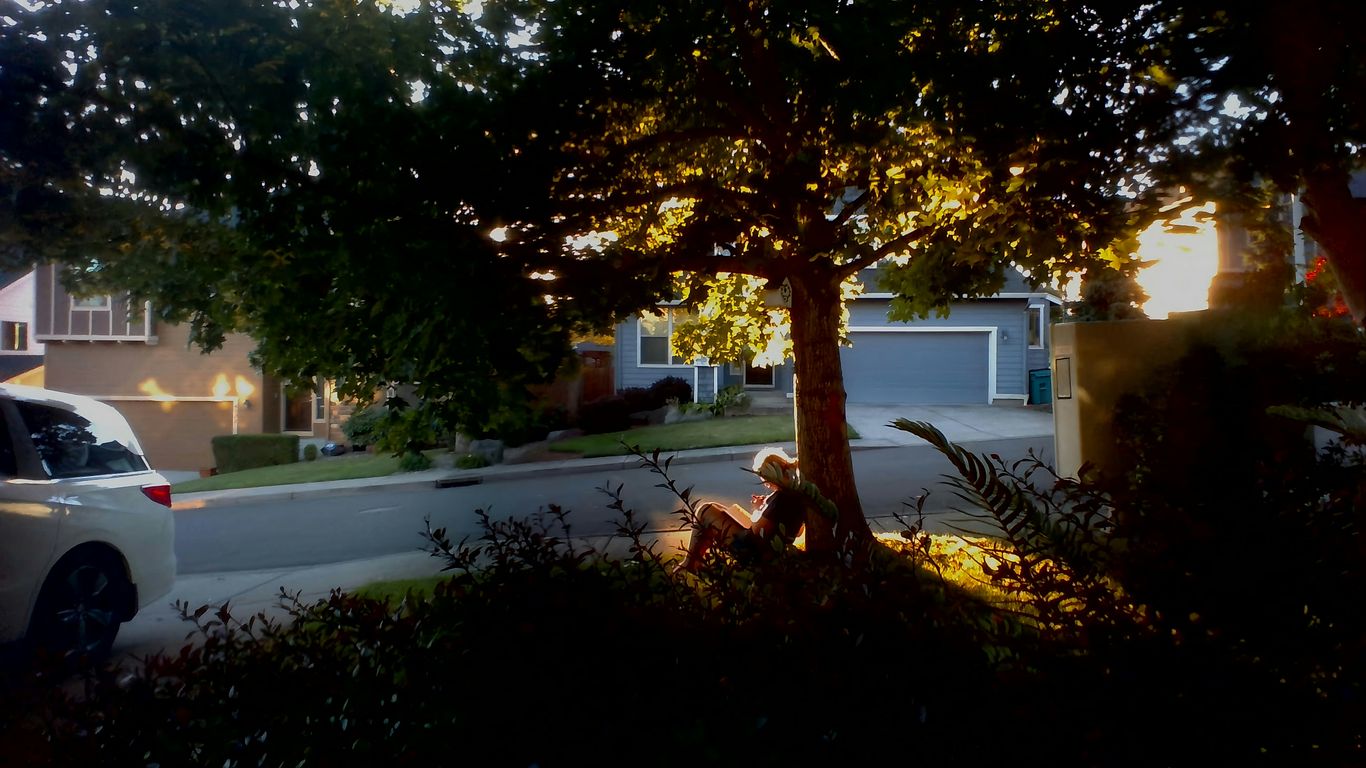
Height affects climbing, rigging, cutting time, and the distance pieces can fall. Trunk diameter matters because larger sections are heavier and may need to be cut into smaller pieces before they can be moved.
Canopy spread matters too. A broad oak with long lateral limbs may require more handling than a taller tree with a narrow crown. We also account for wood volume, brush volume, and the number of trips needed to clear the site.
Leaning, dead, split, or storm-damaged trees
A leaning tree loads its fibers unevenly and may already be pressing toward a roof, driveway, or neighboring yard. Dead wood can break without the warning we expect from healthy wood. Red oaks can have internal decay with little visible evidence from the ground.
Storm damage can leave hung-up limbs or a partially uprooted trunk. We do not decide from a photograph alone that a tree must come down. The removal or stabilization choice is made on site after the condition and immediate hazard are examined.
Distance from houses, garages, fences, and utility lines
Every nearby object shrinks the safe landing area. If a limb cannot be dropped, it must be controlled, cut smaller, or moved with additional equipment. That takes more setup and more time.
Utility lines deserve separate attention. A homeowner should not assume the tree crew can work directly on or around energized lines without coordination. The estimate should identify the line location and explain any limits before work starts.
Backyard access, narrow driveways, and equipment limits
Access often decides the removal method before the first cut. A narrow driveway, locked gate, soft lawn, retaining wall, or steep grade can prevent a truck or lift from reaching the tree.
Before accepting an estimate, we check these practical points:
- Gate width and the distance from the driveway to the tree.
- Ground firmness after rain or during spring thaw.
- Overhead wires, low branches, and roof clearance.
- Space for brush, logs, and a chipper during the work.
Those details explain why two trees with similar measurements can receive different estimates. If equipment cannot reach the backyard, the crew may need more climbing, hand carrying, or sectional lowering.
How tree size affects the work and total cost
Tree size changes the amount of wood, the number of cuts, and the time required to move material. It also changes the consequences of a mistake. A small tree can sometimes be lowered in short pieces, while a mature tree may need a carefully planned sequence from the top down.
We use height as a starting measurement, not as the whole estimate. Trunk diameter, canopy shape, condition, and access still control the work plan.
Small trees with open access
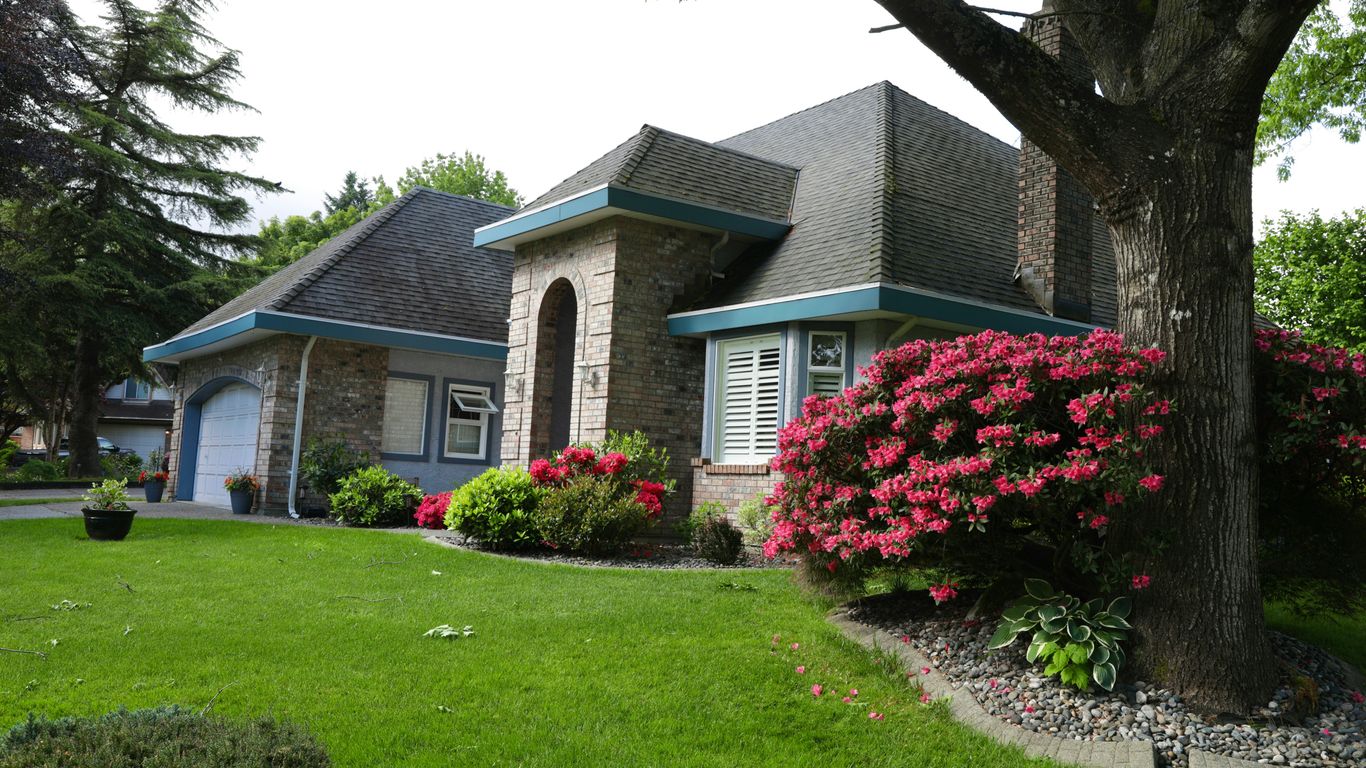
Small trees with room around them are usually the simplest removals. The crew may be able to cut manageable sections and place them directly where they can be processed.
Even a small tree can cost more if it is dead, tangled in a fence, or positioned over a shed. The short height helps, but it does not erase the need for controlled work and cleanup.
Medium trees requiring sectional removal
Medium trees are common around Reading homes. A 40-foot maple or pine may need to be dismantled in sections when the trunk stands near a house, garage, or fence.
Sectional removal means the crew controls each piece instead of letting it fall freely. That reduces the landing area needed, but it adds rope work, cutting time, and handling. Those tasks are why a medium tree often costs more than its height suggests.
Large mature trees near structures
Large mature trees carry heavy trunks and limbs. A mature oak or white pine close to a roof may require rigging, additional ground support, or a crane-assisted plan. Shallow-rooted white pines can also be a concern after high winds or saturated soil.
The estimate should explain the order of removal and how the crew will protect the structures below. If the tree cannot be safely lowered through the available space, crane-assisted removal may be considered.
Multi-tree removal on one Reading property
Removing several trees together can make setup more efficient, but it does not automatically create a fixed per-tree discount. Each trunk still needs its own condition check, fall plan, and cleanup route.
A group of smaller trees may share equipment and staging space. Several large trees near different structures may require separate sequences. Ask for the total scope in writing so the estimate does not leave the second or third tree unclear.
Extra services that may appear on the estimate
The removal price and the finished property are not always the same thing. Some estimates include brush processing and basic cleanup, while stump grinding, hauling, or unusual equipment appears as a separate line. We want you to know what happens to the material before the crew arrives.
Read the scope beside the total price. A lower number may simply leave more wood, brush, or stump work on the property.
Stump grinding and surface root removal
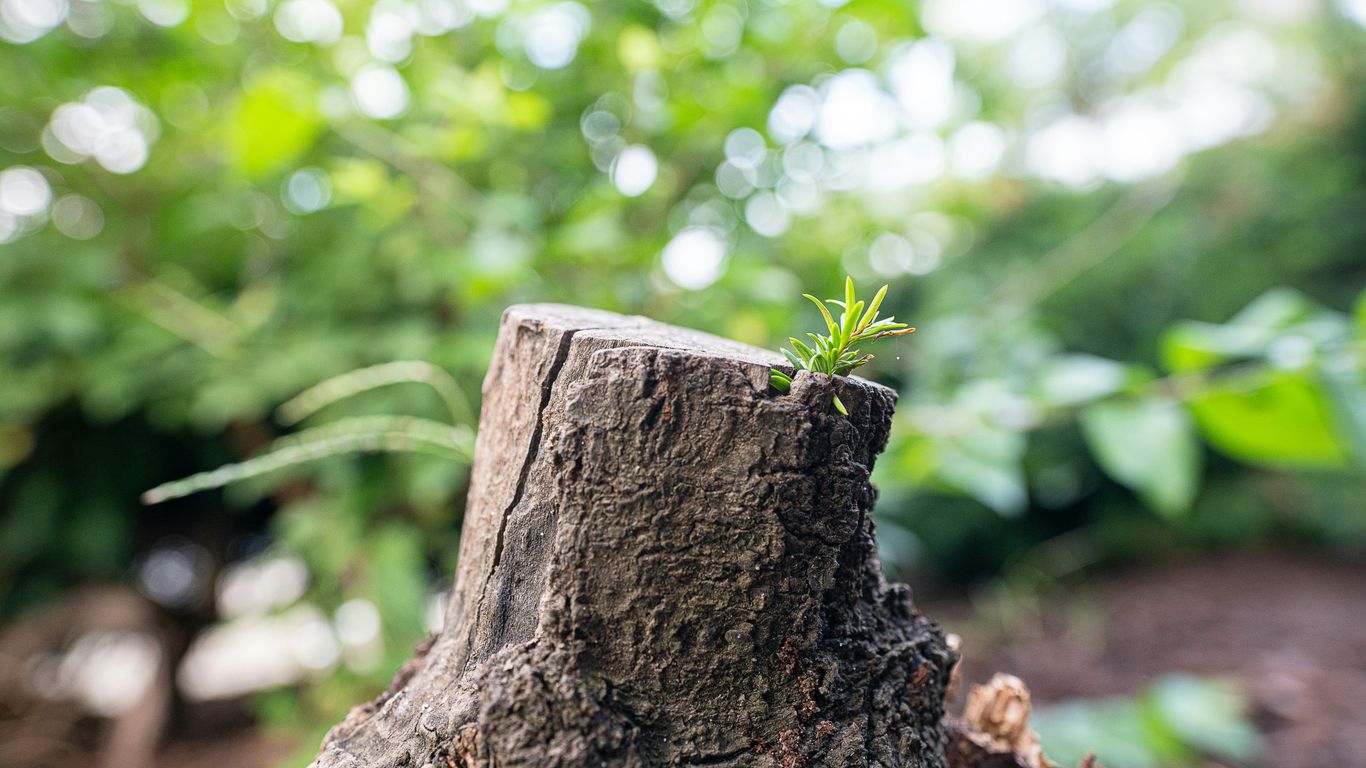
Cutting the trunk does not remove the stump. Stump grinding reduces the remaining stump to below grade, and surface roots may need separate attention if they interfere with a walkway, planting bed, or mower path.
East Coast Tree Service LLC offers stump grinding to about 12 inches below grade, with surface roots included in that service scope. Confirm the requested depth and the treatment of chips before comparing estimates.
Limb and brush cleanup
Cleanup can mean several different things. One crew may chip brush and stack larger rounds, while another may haul everything away. Leaves, small twigs, and sawdust may also be handled differently.
Ask whether cleanup includes the lawn, driveway, planting beds, and access path. A complete cleanup scope prevents a surprise labor charge after the tree is down.
Wood hauling versus leaving firewood on site
Some homeowners keep cut rounds for firewood, while others need every piece removed. Leaving wood on site reduces hauling work, but the rounds still need to be cut and placed where you want them.
Hauling adds loading, truck space, and disposal or processing time. Put the requested outcome in the estimate, including whether logs are stacked, chipped, or taken away.
Crane-assisted removal for tight-access lots
A crane can move heavy sections over a house, fence, or narrow access route when ground-based handling is not practical. It also changes the planning needs, including staging, lift reach, traffic space, and the condition of the landing area.
Crane-assisted removal is not automatically the cheapest choice. It can be the right choice when it reduces exposure to structures or avoids damaging a confined yard. The written estimate should show the crane work separately from ordinary removal labor.
Permits, property lines, and local considerations in Reading
Reading homeowners should confirm local requirements before scheduling removal. Town rules can apply differently to private trees, public shade trees, protected areas, and work near streets. We give general guidance, but the town is the authority for a current determination.
The same caution applies to property lines and utility corridors. A tree can stand on one parcel while its limbs extend over another, so ownership and permission should be settled before the crew sets up.
When to check Reading’s tree removal requirements
Check with Reading before work begins if the tree is near a public way, in a regulated area, or covered by a local tree or landscaping rule. Ask what documentation, notice, or approval may be required for the specific address.
Do not rely on a neighbor’s past project as proof that your removal needs no review. Requirements can change with location and tree status. Written confirmation gives the crew a clear starting point.
How public shade trees differ from privately owned trees
A tree between a private yard and a public street may not be treated like a tree fully inside the property. The town or another public authority may control work on a public shade tree or within a public right of way.
Before cutting, identify the tree’s location relative to the lot line and sidewalk. If the status is unclear, pause the job and confirm it with the appropriate Reading department.
Responsibility for trees near streets and utility lines
Responsibility is not always the same as ownership. A roadside tree may involve town rules, and a tree touching utility infrastructure may require coordination with the utility company.
Keep people and vehicles clear while that responsibility is being sorted out. A tree crew can plan removal, but it should not assume control over public infrastructure or energized lines.
Why property-line disputes should be settled before work starts
A disagreement after the tree is cut is expensive and difficult to undo. Get the neighbor’s position in writing when the trunk, roots, or canopy sits close to the boundary. A survey or town record may be appropriate if the line is genuinely uncertain.
Also agree on access. Permission to remove a tree does not always include permission to drive equipment across a neighboring yard. Clear terms protect the work schedule and the relationship between properties.
Why emergency tree removal costs more
Emergency work usually costs more because the hazard is active and the schedule changes quickly. A blocked driveway, tree on a roof, or split trunk cannot always wait for ordinary equipment planning. East Coast Tree Service LLC provides 24/7 emergency response, but the work still begins with a hazard assessment and a safe removal plan.
Storms can also create difficult access. Downed wires, saturated ground, damaged fences, and scattered debris may slow the crew before the tree itself is handled.
Storm damage, blocked driveways, and immediate hazards
A blocked driveway is inconvenient, but a tree on a roof or across an active route can create a more urgent problem. The first task is to isolate the hazard and keep people away from unstable limbs and tensioned wood.
Emergency pricing reflects the response timing, the risk, and the work that must happen before normal cleanup. Storm cleanup may also involve more than one tree or several separate debris areas.
Safe removal of partially fallen trees
A partially fallen tree can be more dangerous than a tree standing normally. The trunk may be under tension, roots may be lifted, and branches can shift when another section is cut. We do not pull or cut blindly from the ground.
The crew identifies compression and tension points, establishes a clear work zone, and chooses a sequence for controlled movement. That planning is part of the emergency work, not an optional extra.
Night and weekend response considerations
Night and weekend work can involve reduced visibility, heavier traffic, closed roads, and limited staging space. Those conditions may require temporary lighting, additional spotters, or a first response that makes the area safe before full removal.
If the tree is not an immediate hazard, waiting for daylight can reduce risk and improve the estimate. If it blocks access or threatens a structure, call for guidance rather than approaching it yourself.
When trimming or securing the tree may be safer than removal
Removal is not always the first action after a storm. A crew may be able to trim a broken limb, secure a section, or clear an immediate access route while a fuller decision is made on site.
That choice depends on the tree’s structure and the damage pattern. Never climb, cut, or attach a vehicle to a storm-damaged tree yourself. The forces in the wood can change without warning.
How to compare tree removal estimates in Reading
Compare the scope before comparing the total. A complete estimate tells you what will be cut, how the crew will control it, what will be hauled away, and how the property will look when the work is finished.
For a local option, review the stated scope of tree removal in Reading, then ask the same questions of every company you contact. A clear estimate is easier to compare than a single low number sent by text.
What a complete written estimate should include
The estimate should identify the tree or trees, the removal method, the cleanup plan, and any separate services. It should also show what is excluded, such as stump grinding, hauling, or repairs to pre-existing damage.
Look for these basics in the document:
- Tree location and the specific work to be performed.
- Removal, rigging, crane, or equipment charges.
- Brush processing, log handling, and final cleanup.
- Stump grinding or surface root work, if requested.
- Payment terms, scheduling notes, and cancellation conditions.
A written scope keeps the conversation tied to the actual property. If the estimate only says “remove tree,” ask for the missing details before accepting it.
Questions to ask about insurance, crew, and equipment
Ask who will perform the work and what equipment the plan requires. Confirm that the crew is licensed and fully insured, and ask how the company handles damage claims or changes in scope.
The equipment question matters because a crane, lift, chipper, or climbing plan may affect access and staging. You should also know who is responsible for contacting a utility or town department if that becomes necessary.
Comparing cleanup, stump work, and hauling terms
Two estimates can have similar removal prices but different finished conditions. One may leave usable firewood, another may haul it away, and a third may include only brush cleanup. Stump grinding is often a separate line and should not be assumed.
Read the words around “cleanup.” Ask if the crew rakes the work area, clears the driveway, removes chips, and handles surface roots. Those details have real labor costs.
Warning signs of an unusually low bid
An unusually low bid may omit hauling, stump work, rigging, or basic cleanup. It may also be based on a photograph without checking the tree, access route, utility lines, or structures below.
Ask for a written scope and proof of insurance before work starts. If the person offering the price cannot explain the removal sequence, who will be on site, or what happens to the debris, the low number is not a complete comparison.
Conclusion
Most Reading tree removals cost about $500 to $3,000 in 2026, with small open-access trees near the low end and large or hazardous trees near structures at the high end. The next practical step is an on-site estimate that lists removal, cleanup, hauling, stump work, and any equipment separately. For a written starting point, request an estimate from a licensed crew serving eastern Massachusetts.
Frequently Asked Questions
How much does tree removal cost in Reading, MA?
Most residential removals fall between $500 and $3,000. Small open-access trees may be near $500, while large, hazardous, or difficult-access trees can exceed $3,000.
What is the cheapest time of year to remove a tree?
Pricing is driven mainly by size, condition, access, and demand rather than a guaranteed seasonal discount. Winter work may have clearer access in some yards, but weather and ground conditions can also complicate the job.
Does tree removal include stump grinding?
Not always. Stump grinding is commonly listed as a separate service, so the estimate should state whether the stump, surface roots, and chips are included.
Do I need permission to remove a tree in Reading?
You may need to check town requirements, especially for trees near public ways, regulated areas, or property boundaries. Confirm the current rule with the town before scheduling work.
How much more does emergency tree removal cost?
Emergency work can cost more because it involves urgent scheduling, active hazards, difficult storm conditions, or work outside normal hours. The exact amount follows the hazard and the required removal method.
Can a tree be removed without a crane?
Often, yes. A crew may climb, rig, and lower sections from the tree, but a crane can be appropriate when the tree is large or access is too tight for ground-based handling.
Should I get more than one tree removal estimate?
Yes. Compare written scopes, insurance, cleanup, hauling, stump work, equipment, and exclusions rather than comparing totals alone. An on-site estimate is more useful than a price based only on a photograph.