

Key Takeaways
Most Chelmsford homeowners should budget for the tree work itself first, then confirm what is included for hauling, cleanup, and the stump.
- Typical residential removals often fall between $500 and $3,000 in eastern Massachusetts.
- Height, trunk size, tree condition, and proximity to structures move the price quickly.
- Tight access can require climbing, rigging, sectional removal, or a crane.
- Stump grinding is usually separate from removing the tree and trunk.
- A written estimate should show labor, equipment, disposal, cleanup, and any permit questions.
What tree removal typically costs in Chelmsford in 2026
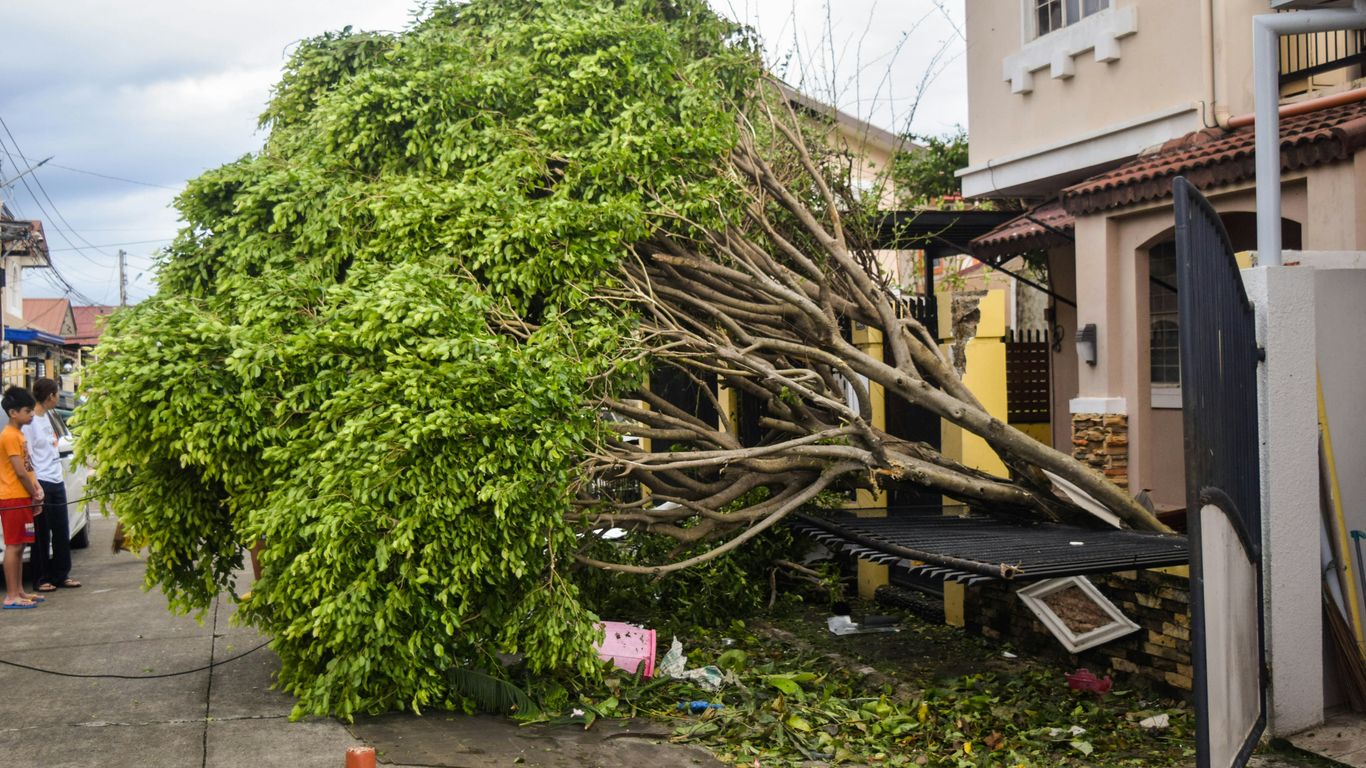
Most tree removals in Chelmsford cost about $500 to $3,000 in 2026, with a typical medium backyard tree landing near $750 to $1,500. Small trees in open yards sit below that range, while large hardwoods near a house can move well above it. We price the work from the tree and the landing zone, not from height alone.
Typical market ranges by tree size and difficulty
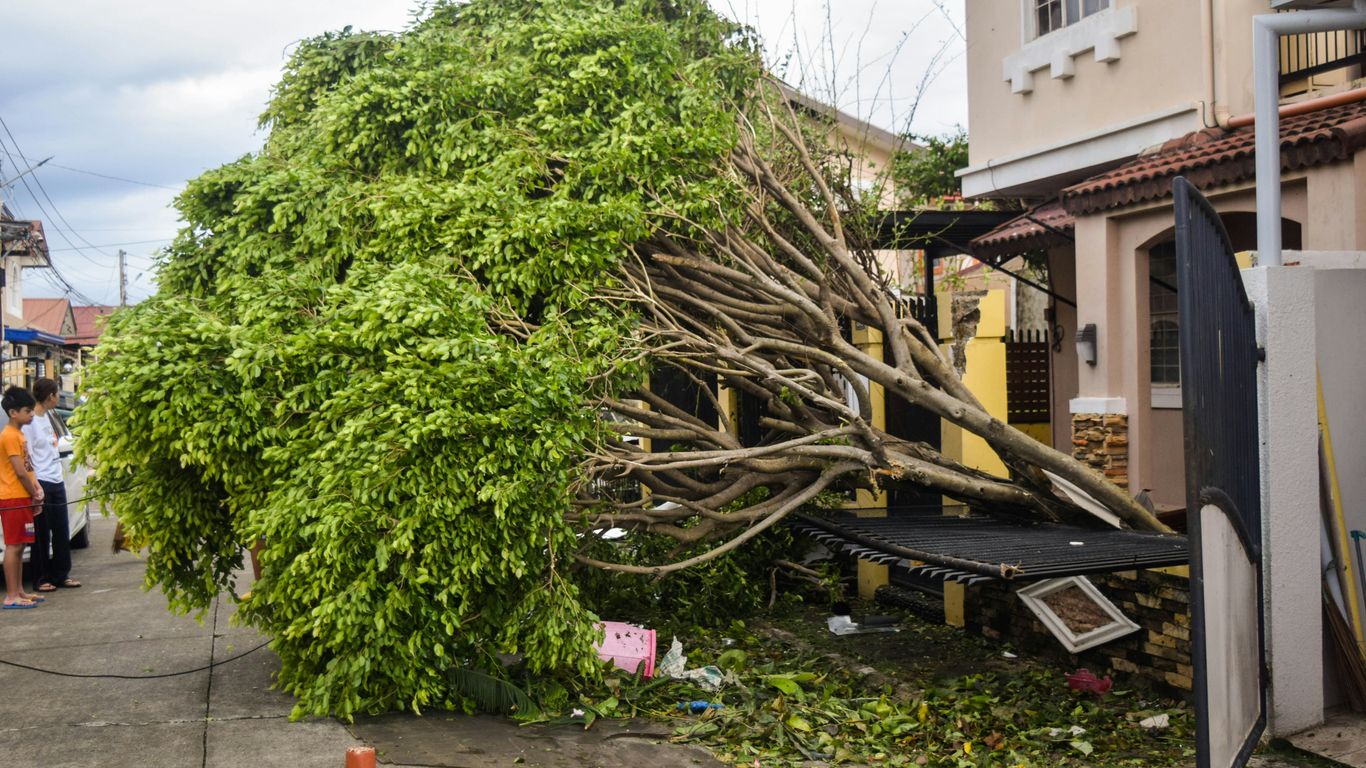
For a straightforward removal with room for a crew to work, a small tree under 30 feet often falls around $300 to $600. A medium tree from roughly 30 to 60 feet commonly runs $600 to $1,500. Large trees, difficult hardwoods, and removals near structures can reach $1,500 to $3,000 or more.
These are area market ranges, not a company price list. A standard 40-foot maple in an open backyard is a different job from an 80-foot white pine leaning toward a roof.
| Tree and site type | Typical 2026 market range | Common reason for the range |
|---|---|---|
| Small tree, open access | $300 to $600 | Low volume and simple ground work |
| Medium backyard tree | $600 to $1,500 | Climbing, rigging, and moderate cleanup |
| Large tree near a structure | $1,500 to $3,000+ | Controlled lowering and added risk |
| Crane-assisted or emergency removal | $2,000 to $5,000+ | Specialized equipment and coordination |
The table gives us a starting point for conversation. The estimate should still account for the actual landing area, equipment access, and disposal plan.
Why a small backyard tree can cost more than expected
A short tree is not automatically an easy tree. A 20-foot tree wedged between a fence, shed, and deck may need to be cut into small sections and lowered by rope. That takes more labor than dropping a taller tree into an empty part of the yard.
Roots and ground conditions matter too. Wet spring soil can limit truck access, and narrow gates may prevent a chipper or loader from reaching the work area. We also look for targets below the tree, including play equipment, gardens, retaining walls, and septic features.
How to interpret “from $500” starting prices
A “from $500” price is an entry point for a simple removal. It usually assumes manageable height, open access, no major obstacles, and a defined amount of cleanup. It does not mean every tree in Chelmsford can be removed for that amount.
Ask what changes the starting price. A quote should identify whether the number includes cutting, lowering, chipping, hauling, stump work, and final raking. A low first number can become expensive if disposal or difficult access appears later.
What a typical tree removal estimate includes
A useful estimate describes the work in plain terms. It should name the tree, the removal method, the crew work, and what happens to the wood and brush after cutting. The written scope matters most when two estimates look close in price.
For a broader comparison of size, access, chipping, hauling, and stump grinding, use this Massachusetts tree removal cost guide as another reference point. Treat published ranges as planning numbers until someone inspects the property.
The main factors that change your tree removal price
Chelmsford lots can change from wide and open to narrow and heavily planted within a few streets. A red oak beside a garage needs a different plan from a white pine at the back of a field. We look at the tree, the targets, and the path from the cut to the truck before assigning a price.
Tree height, trunk diameter, and branch weight
Height affects the length of the climb, but trunk diameter and branch weight often affect the job just as much. A heavy oak can require larger cuts, more controlled lowering, and more space for pieces on the ground.
White pines can add volume quickly, while mature red and sugar maples produce heavy wood. More wood means more cutting, handling, chipping, and hauling unless you choose to keep some of it on site.
Location near homes, garages, roads, or utility lines
A tree beside a roof or garage cannot be handled like one in a clear field. Branches may need to be tied off and lowered rather than allowed to fall. Utility lines require extra planning and may require coordination with the utility company or an appropriately qualified line-clearance crew.
A road or shared driveway can also affect staging. We may need to control vehicle movement, protect pavement, or schedule the work around access restrictions.
Access for trucks, chippers, and climbing equipment
Equipment access is one of the first things we check. A narrow gate, steep slope, soft lawn, or long carry from the backyard can add labor even when the tree itself is modest.
The practical questions are simple:
- Can the crew reach the tree without crossing delicate landscaping?
- Can brush and logs be moved to the chipper or truck?
- Is there room to stage ropes, ladders, or a crane?
- Can the driveway support the equipment without blocking neighbors?
The answers help determine the removal method and the number of people needed. They also help prevent a quote from being based on a street-side view of a backyard tree.
Tree condition, lean, decay, and storm damage
A leaning tree puts force in a particular direction, and decay can make the trunk unpredictable. Red oaks may rot internally without showing a clear defect from the street. Ice loading, wind damage, and uprooted white pines add another layer of risk.
Storm work often requires a faster assessment and a different sequence of cuts. A broken tree resting on a roof or caught in another tree should not be approached with homeowner equipment.
Cleanup, hauling, and wood disposal choices
Some estimates include chipping and hauling. Others leave logs or brush stacked on the property. Neither option is automatically wrong, but the scope must say which one you are buying.
You may choose to keep firewood, leave larger rounds for habitat, or have everything removed. Those choices change labor and truck time. They should be decided before the crew starts.
How stump removal affects the total cost
Removing the tree does not automatically remove the stump. Stump grinding is usually a separate line item, and the price depends on diameter, root flare, soil, access, and the depth requested. If you want the area ready for planting or construction, say that during the estimate.
Tree removal versus stump grinding
Tree removal takes down the above-ground portion and handles the trunk and branches. Stump grinding cuts the remaining stump below the surrounding grade and leaves chips in the resulting hole. Digging out the entire stump and major roots is a different, more disruptive task.
A property owner may choose removal now and grinding later. That can make sense if the budget is tight, but the stump can remain an obstacle for mowing and may send up new growth.
What stump grinding usually includes
A normal stump-grinding scope identifies the stump size, approximate grinding depth, and what happens to the chips. East Coast Tree Service lists stump grinding to about 12 inches below grade, with surface roots included. The finished area may still need topsoil and seed if you want a lawn-ready surface.
Ask whether the estimate covers one stump or several. A group of small stumps may be priced differently from one large stump beside a foundation.
When surface roots and difficult access add work
Surface roots can extend beyond the visible stump. They may run through a garden bed, along a walkway, or beneath a fence. Grinding them takes additional passes and requires care around irrigation, masonry, and buried services.
A machine may also need to travel a long distance from the driveway. Narrow gates, steps, slopes, and wet ground can add setup and handling time. Those details belong in the site inspection, not as a surprise after the tree is down.
Options for leaving, grinding, or removing the wood
You can leave a sound log for firewood, have it cut into manageable rounds, or include full hauling in the estimate. Brush can be chipped on site or removed. Stump chips can remain as fill or be hauled away, depending on the future use of the space.
The right choice is the one that matches your next project. A lawn, walkway, garden, or fence needs a clearer surface than a wooded corner of the lot.
Crane-assisted and difficult-access tree removal
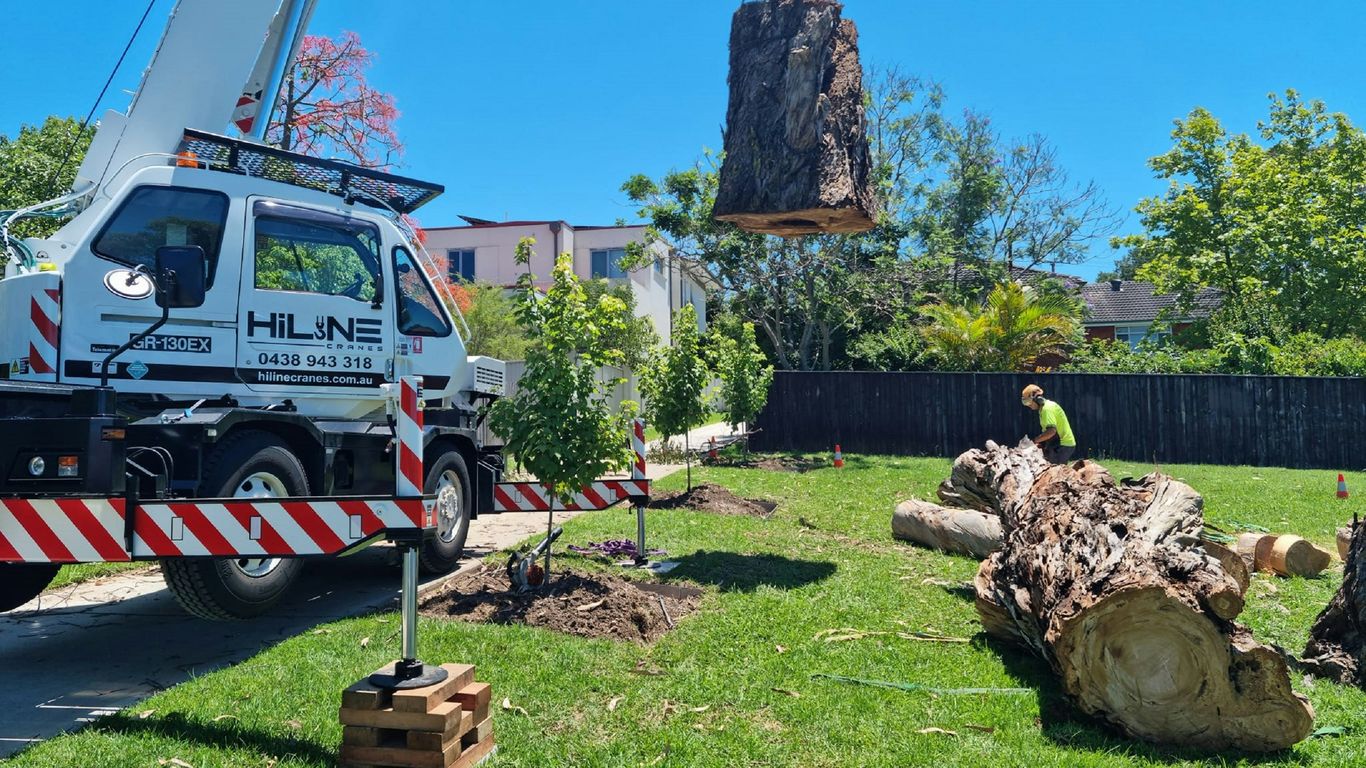
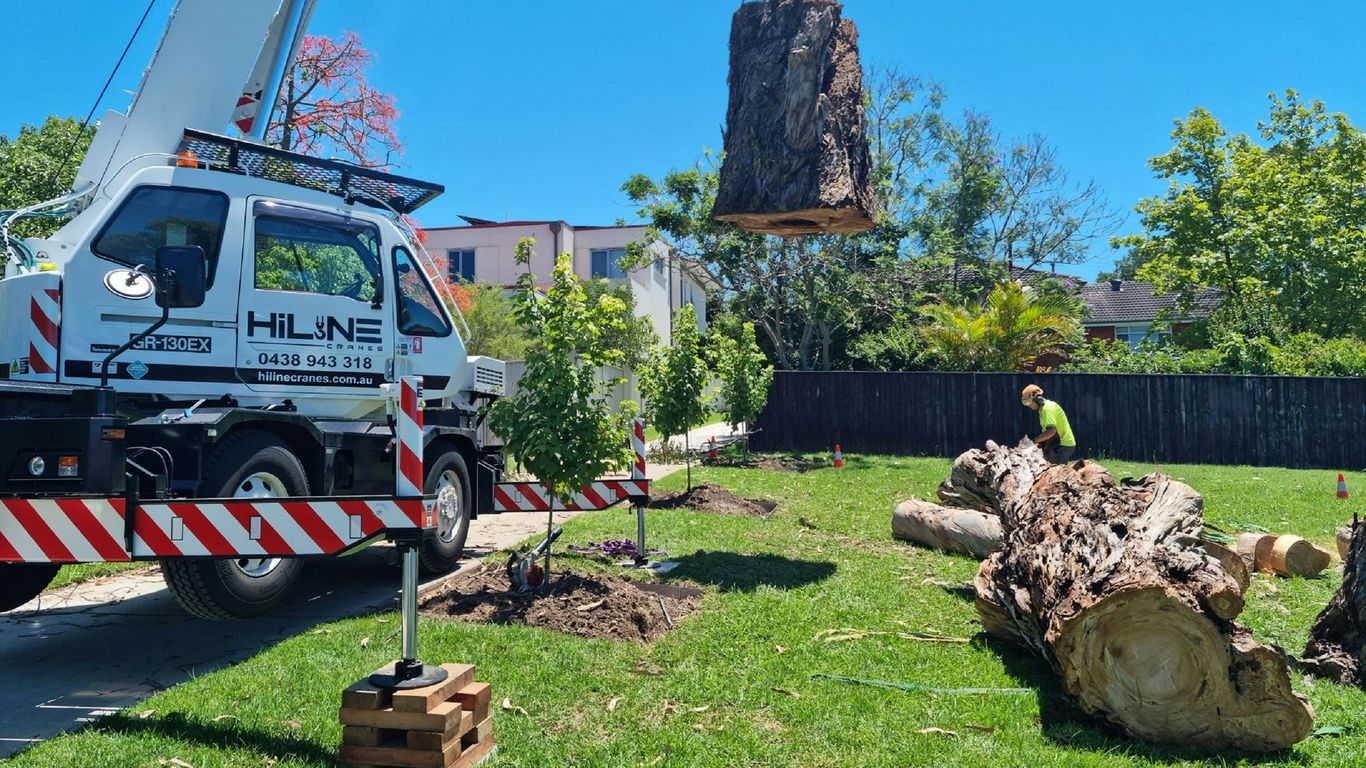
Crane work is reserved for sites where normal climbing and rigging would take longer or expose the property to more risk. It can be useful for large trees over roofs, tight backyards, and trees with no safe drop zone. The crane does not make the job automatic. The crew still has to plan cuts, picks, landing areas, and truck access.
When a crane is safer than climbing
A crane can lift sections vertically and place them in a controlled landing area. That may reduce the amount of rigging over a roof, pool, deck, or fence. It can also shorten the time a large tree remains partially cut.
The decision is made on site after checking overhead lines, ground conditions, street access, and the crane’s setup area. A crane is not suitable for every lot.
How limited yard access changes the equipment plan
A tight Chelmsford lot may not allow a crane, chipper, or truck through the gate. In that case, the crew may carry brush, lower smaller sections, or stage equipment from the street. A long distance between the tree and the truck adds handling time.
We also check turning space and surface strength. A driveway that looks wide enough may still lack the clearance needed for outriggers or a safe equipment position.
Why cranes can increase the project cost
Crane-assisted work adds equipment, transport, setup, and coordination. The crew may need traffic control or a specific work window. The price reflects those resources, even if the actual cutting takes fewer hours.
The added cost can still be sensible if it avoids extensive rigging or protects structures below the tree. Compare the full method, not just the hourly equipment charge.
Situations where sectional removal is the better option
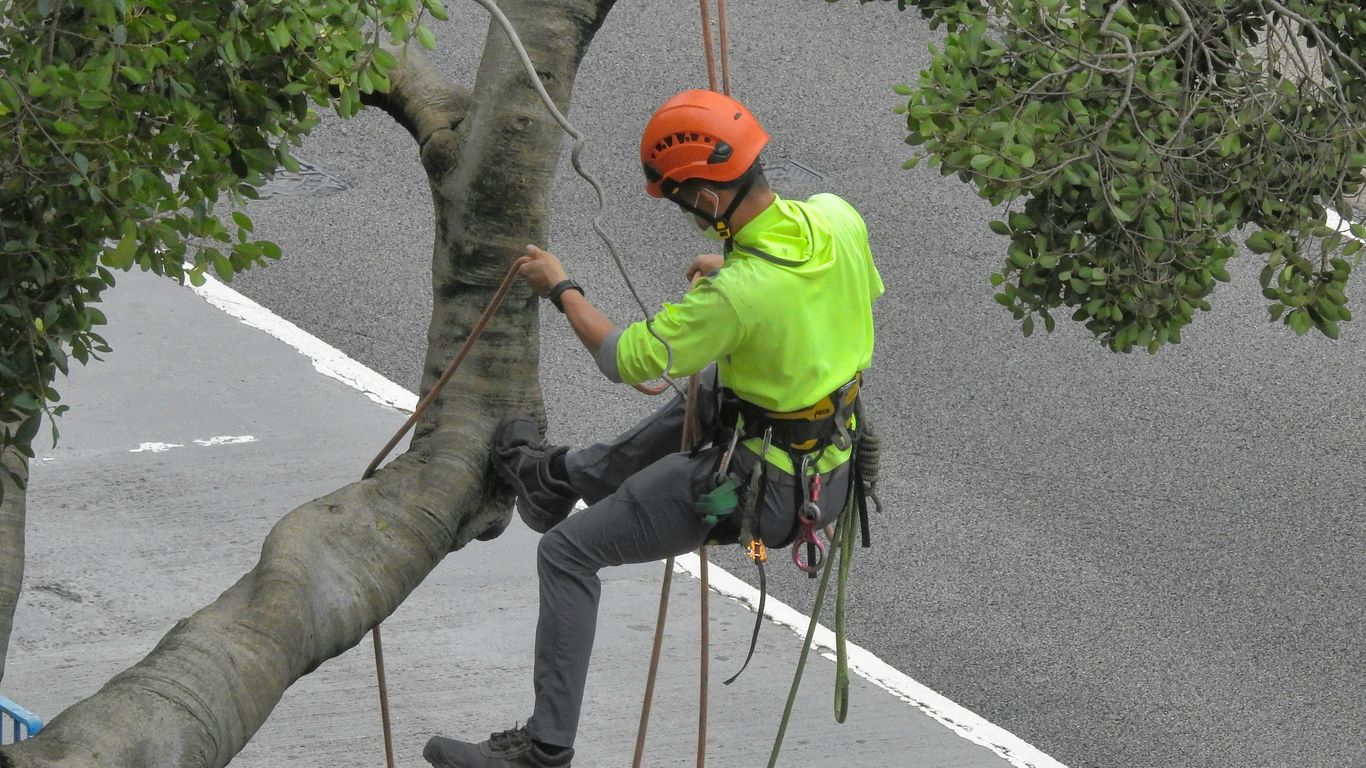
Sectional removal uses a climber, ropes, and controlled lowering to bring the tree down in manageable pieces. It can work well where a crane cannot reach or where the street cannot accommodate large equipment.
This method takes careful planning around targets and landing areas. It is often the practical choice for a backyard tree behind a narrow gate, provided the tree and site can be climbed safely.
Permits, utility lines, and local requirements
Permit questions should be answered before scheduling, not after the crew arrives. Chelmsford property owners may face local rules for trees near wetlands, public ways, conservation areas, or other protected locations. We recommend confirming the current requirement with the town because the answer can depend on the property’s location and the tree’s status.
When Chelmsford property owners may need approval
A routine private-property removal may not require the same approval as work near a wetland, public shade tree, or regulated area. The town may ask for property information, a site plan, or details about the tree.
Do not assume a neighbor’s experience applies to your lot. Call the relevant Chelmsford office before work is booked if the tree is near a regulated area.
How protected trees or local rules can affect scheduling
Approval can add time for an application, inspection, notice period, or hearing. Storm damage may follow a different process, but the property owner should still confirm what documentation the town wants.
Build that question into the schedule. A crew cannot remove a tree on the assumption that approval will be granted later.
Who handles utility-line clearance and coordination
Trees touching or leaning toward power lines require special care. The utility company may need to make the line safe, or a qualified line-clearance crew may need to handle the work. Never place a ladder, rope, or saw near energized lines.
Tell the estimator about every visible line, including service wires running from the street to the house. A line that is hidden behind branches can change the removal plan.
Why permit and access questions belong in the estimate
Permit status, utility coordination, and access affect both timing and cost. They also define who is responsible for each step. A written estimate should state any owner responsibilities and identify work that is not included.
That clarity helps prevent a stopped job, a blocked driveway, or an unexpected return visit.
What the tree removal process looks like
A good removal starts with a site visit, not a guess from a photograph. We inspect the tree, identify targets, check the route for equipment and debris, and discuss what you want left behind. The estimate should reflect the plan you are actually approving.
The site inspection and written estimate
During the inspection, we look at height, trunk diameter, lean, decay, branch weight, access, overhead lines, and nearby structures. We also ask about gates, lawns, driveways, wood storage, and stump treatment.
The written estimate should show the removal method and cleanup scope. If the tree is storm-damaged, tell us what happened and when, since unstable pieces may change the order of work.
Choosing the removal method
The crew may recommend climbing and rigging, sectional removal, or crane assistance. The choice follows the site conditions. A large open-yard tree may allow a simpler approach, while a tree over a home requires controlled lowering.
East Coast Tree Service provides tree removal, including crane assisted removal and tight-access lot work. The service selected should match the actual hazards and available working space.
Cutting, lowering, chipping, and hauling the tree
Once the area is prepared, the crew establishes a drop or landing zone and starts with the safest sequence of cuts. Sections may be lowered by rope, lifted by crane, or placed directly in a controlled area. Brush is then processed and logs are handled according to the estimate.
Keep people, pets, and vehicles outside the work zone. Do not move cones, ropes, or equipment while the crew is working.
Final cleanup and stump-grinding decisions
Cleanup should include the items listed in the estimate, such as brush removal, log hauling, chip handling, and raking. Before the crew leaves, review the stump plan and confirm whether grinding is included or scheduled separately.
If you are still comparing methods, our Chelmsford tree removal information covers local service options and estimate requests. The next step is a site-specific number, not another broad internet average.
How to compare tree removal estimates in Chelmsford
Put estimates beside each other and compare the scope line by line. A lower number may leave wood, chips, or the stump on site. A higher number may include a crane, full hauling, or more controlled work around a structure.
Check whether labor, equipment, and cleanup are included
Look for the tree or trees covered, the removal method, crew labor, equipment, chipping, hauling, stump work, and final cleanup. Ask how far below grade the stump will be ground if that service is included.
A quote should also identify exclusions. Written details make it easier to compare two legitimate plans that use different equipment.
Compare insurance, experience, and safety practices
Ask for proof of insurance and confirm that the crew is licensed where required. You should also ask who is responsible for utility coordination and what happens if hidden decay changes the plan.
East Coast Tree Service is a family-owned company with fully insured, licensed crews and 24/7 emergency response. Those are service facts to verify against the work you need, not a substitute for a written scope.
Watch for vague pricing and surprise disposal charges
Be cautious with estimates that say only “tree removal” and a single total. The number may not explain whether the crew will haul wood, remove brush, grind the stump, or protect access surfaces.
Ask about overtime, emergency surcharges, crane mobilization, and extra disposal before approving the job. Clear answers are part of a useful estimate.
Questions to ask before approving the work
Before signing, ask who will do the work, how the tree will be lowered, and what the property should look like at the end. Confirm the payment schedule and the person to contact if conditions change.
A practical question list includes:
- Is the estimate for complete removal and cleanup?
- Is stump grinding included, and to what depth?
- Who coordinates utility lines or town requirements?
- What equipment will enter the yard or driveway?
- What material, if any, remains on the property?
Once those answers are written down, the price is much easier to judge. For urgent work or a planned removal, request an estimate after the site has been reviewed.
Get a Clear Estimate
If a tree is leaning toward a structure, damaged by a storm, or simply too large for the property, East Coast Tree Service can review the site and outline the removal and cleanup work. Request a written estimate before choosing the method or approving disposal.
Conclusion
For tree removal cost in Chelmsford, MA, a practical 2026 budget is $500 to $3,000 for most residential jobs, with medium trees commonly near $750 to $1,500. Confirm the access plan, removal method, stump work, disposal, and town or utility requirements in writing before the crew starts.
Frequently Asked Questions
What is the average tree removal cost in Chelmsford, MA?
Most residential removals fall between $500 and $3,000, with a straightforward medium tree often landing around $750 to $1,500. Large trees, difficult access, and work near structures can raise the total.
Does tree removal include stump grinding?
Not always. Stump grinding is commonly priced separately, so the estimate should state whether it is included and how far below grade the stump will be ground.
How much does it cost to remove a large tree near a house?
A large tree near a house often costs $1,500 to $3,000 or more. Controlled lowering, rigging, crane work, utility coordination, and full hauling can add to the market range.
Is crane-assisted tree removal more expensive?
Usually, yes. Crane work adds transport, setup, equipment, and coordination costs, although it can reduce difficult rigging and help control large sections over structures.
Do I need a permit to remove a tree in Chelmsford?
You may need approval if the tree is near a wetland, public way, conservation area, or another regulated location. Confirm the current requirement with the town before scheduling work.
What should a tree removal estimate include?
It should identify the tree, removal method, labor, equipment, chipping, hauling, cleanup, stump treatment, exclusions, and any owner responsibilities for permits or utility coordination.
Can a small tree cost more than a large tree?
Yes. A small tree in a tight backyard may require sectional removal, hand carrying, and careful protection around fences or buildings. A taller tree in an open yard may be simpler to remove.