


Key Takeaways
For eastern Massachusetts, oak tree removal commonly costs about $800 to $3,500, with many mature residential jobs falling around $1,500 to $3,000. The tree’s size, condition, access, and the work included in the quote shape the final price.
- A large oak usually takes longer to dismantle and handle than a smaller tree.
- Tight access, nearby structures, and hazardous limbs can raise the estimate.
- A site visit gives a more useful price than a height-only formula.
- Stump grinding and wood haul-away may be priced separately.
- Compare written scopes, not just the bottom-line number.
What oak tree removal typically costs in eastern Massachusetts
In eastern Massachusetts, oak tree removal commonly runs about $800 to $3,500, and a mature oak near a house often costs roughly $1,500 to $3,000. Those are market planning ranges, not a company price list or a quote for a specific tree. We start with the likely range, then look at the tree and the work site before settling on a number.
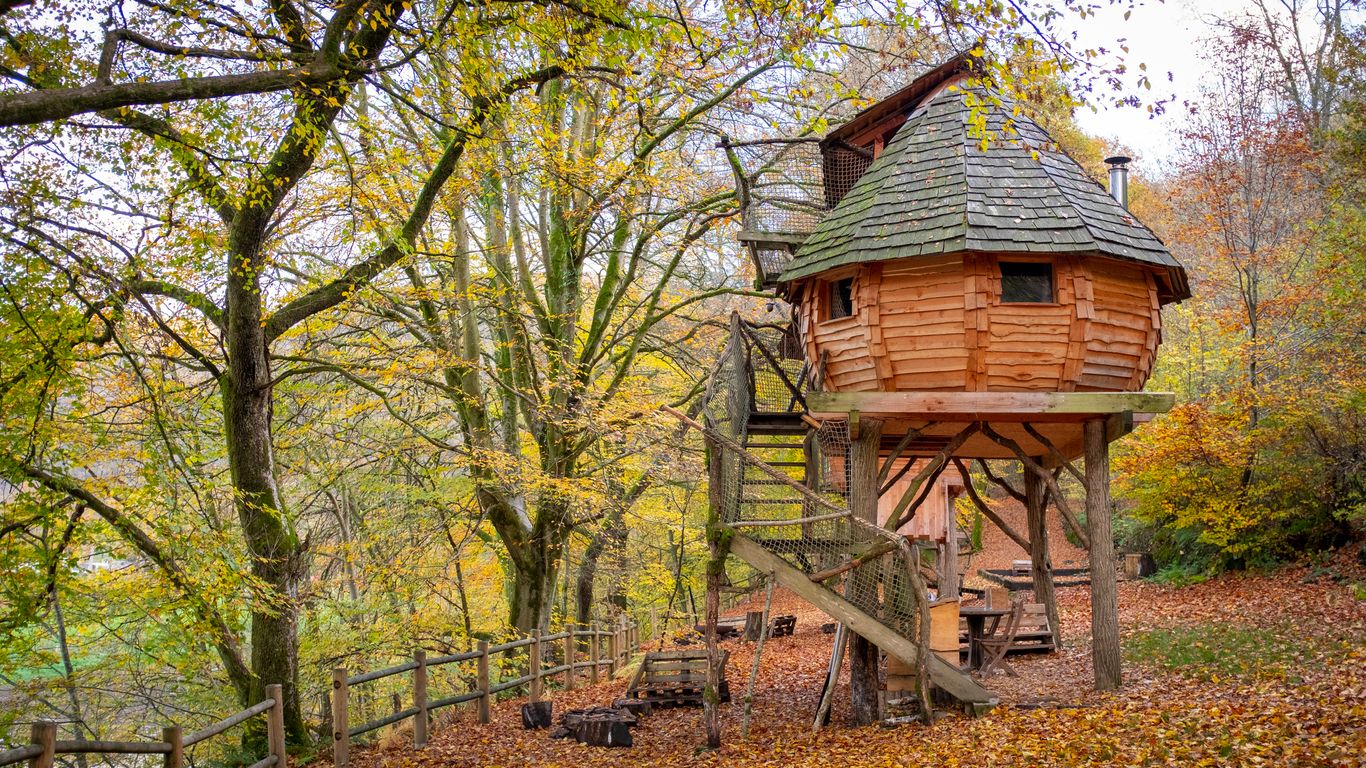
How local market ranges vary by tree size and job conditions
The table gives a practical starting point for budgeting, not a promise that a tree in a given height band will fit that price. A broad crown, a narrow drop zone, or a damaged trunk can move a job above the usual range, while an open yard can make removal more straightforward.
| Oak and site type | Typical planning range | What commonly changes the price |
|---|---|---|
| Small oak with open access | $800–$1,500 | Height, branch spread, and cleanup |
| Medium residential oak | $1,200–$2,500 | Rigging needs and distance to structures |
| Large mature oak | $1,800–$3,500 | Trunk size, heavy wood, and haul-away |
| Complex or hazardous removal | $3,000 and up | Restricted access, damage, or specialized equipment |
Use these figures to frame the conversation, then compare them with a written, on-site estimate. Our Massachusetts cost guide covers other local pricing considerations, including access, tree condition, and stump grinding.
Why a site visit gives a more useful estimate than a per-foot price
A per-foot formula cannot show whether a crew can safely lower a limb beside a roof or has room to stage equipment. We need to see the trunk, crown, nearby targets, and route for carrying or hauling wood. For homeowners in eastern Massachusetts, the oak removal pricing guide offers a broader look at why size and job conditions affect a planning range.
A site visit also helps distinguish a simple removal from one that needs controlled rigging or crane assistance. The same-height oaks can call for different work plans, so height alone is a poor basis for a firm quote.
What a written quote should include
A written quote should identify the tree, describe the removal work, and state what happens to branches, logs, and debris. It should also say whether stump grinding is included or priced separately. That clear scope of work lets you compare estimates without guessing what each crew plans to leave behind.
Ask for any exclusions and possible additional charges in writing. If a quote only gives a single number, request a brief explanation of the cleanup and hauling included.
Why oak removals often cost more than other tree removals
Oak is not automatically the most expensive tree to remove, but a mature oak often brings more weight and handling time than a smaller or less substantial tree. The crown can spread widely, and large limbs may need to come down in sections rather than being felled in one piece. That work takes planning, crew time, and a suitable route for moving the material.
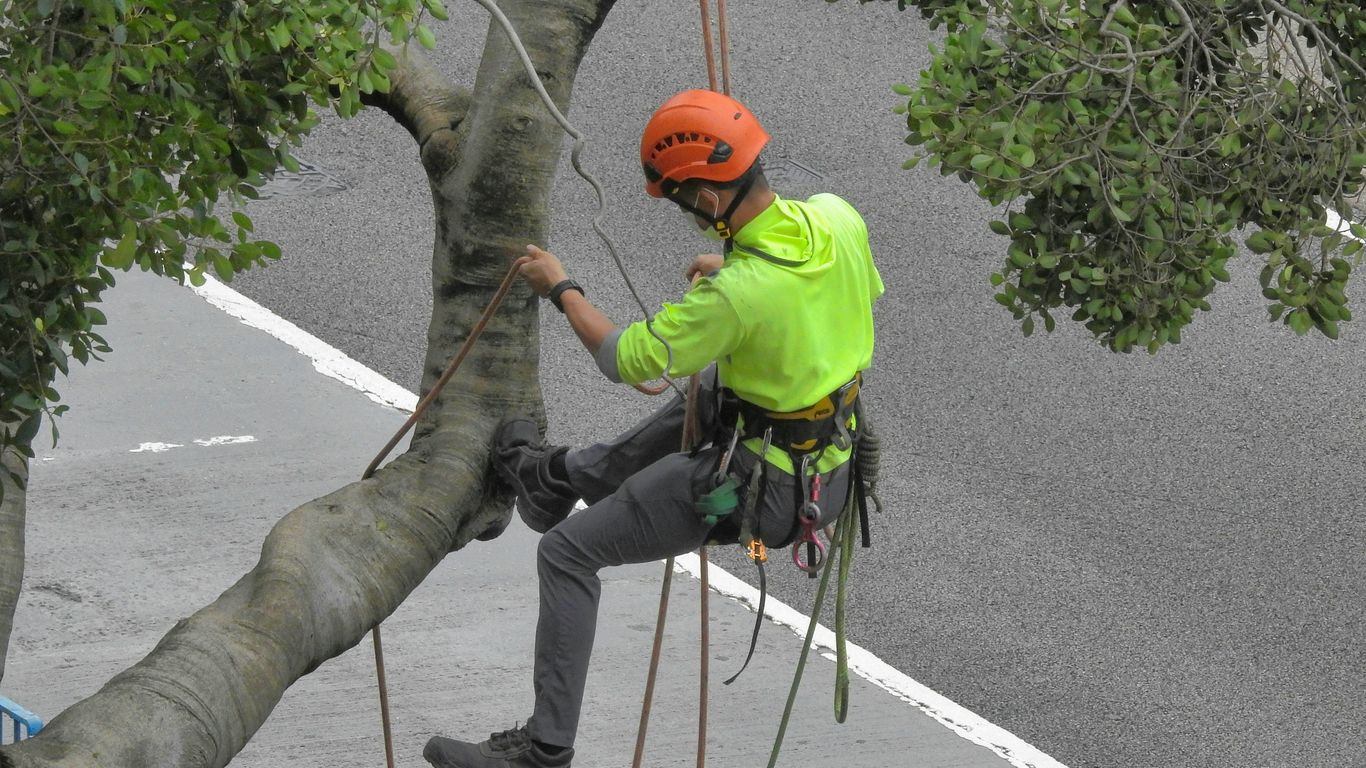
Mature oaks carry more wood and take longer to dismantle
A mature oak can have a thick trunk and long, heavy limbs. When the tree stands near a house, fence, or garden, we may need to remove it piece by piece and lower sections under control. More cuts and more handling add labor compared with a small tree in an open yard.
Dense limbs and wide crowns complicate rigging
A wide crown can reach over several parts of a property, leaving little room to drop branches freely. The crew may need to choose a sequence that keeps each cut clear of the roof, yard features, or adjacent trees. A dense canopy also makes it harder to see how branches are connected until the climber works through it.
Heavy logs need more handling, equipment, and haul-away time
Large oak sections are heavy to move, so the ground crew has to plan where each piece will land and how it will be handled afterward. If you want the wood hauled away, loading and transport add to the job. Leaving suitable logs on site can reduce hauling, but only if you have room and agree on the log sizes before work begins.
Why oak is not automatically the most expensive tree to remove
The species name does not set the price by itself. A large pine beside a house or a storm-damaged tree with limited access can require more complicated work than an oak in an open yard. The useful comparison is the crew’s plan for this tree and property, not a general ranking of species.
The job details that move your estimate up or down
The estimate changes with the amount of wood to remove and the space available to do it. A broad, healthy oak in an open yard is different from a damaged tree leaning over a roof with little room for equipment. We look at the whole site, not just the trunk.
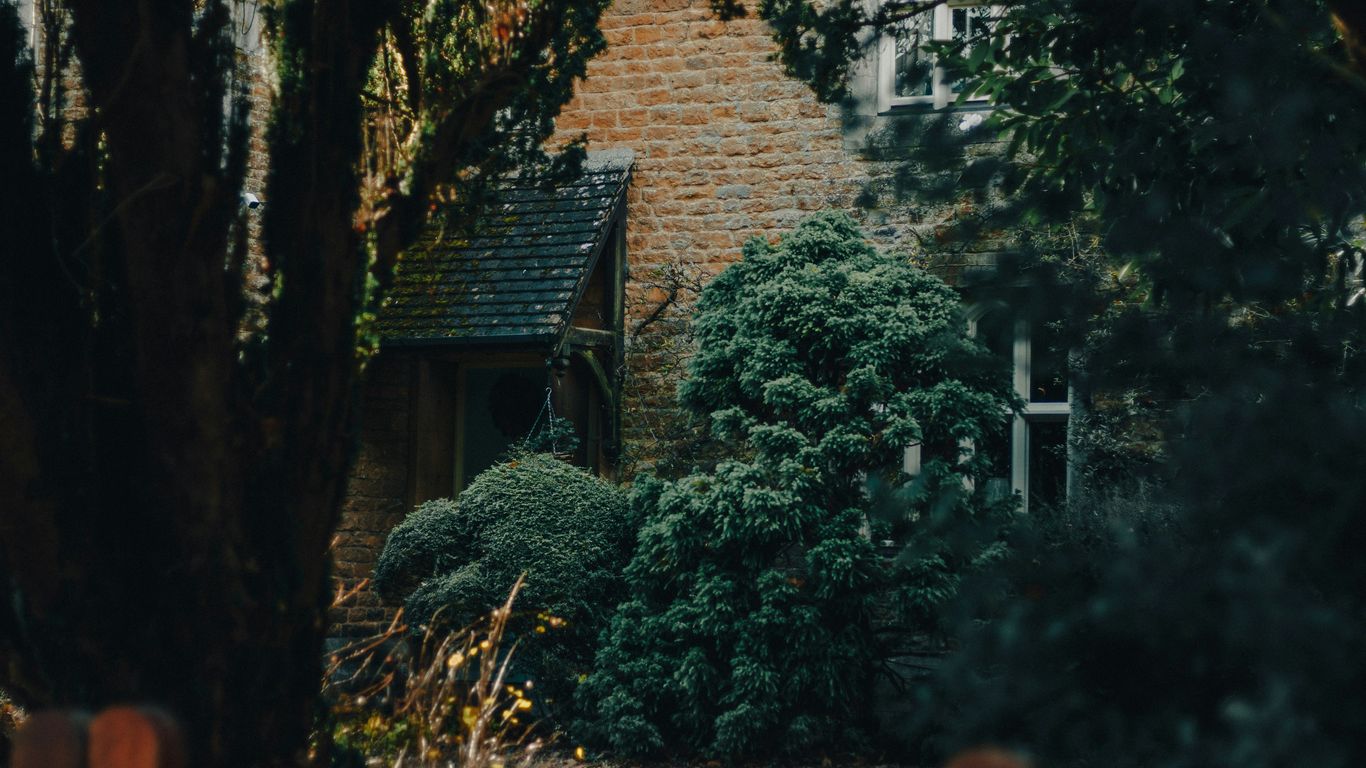
Tree height, trunk diameter, and canopy spread
Height helps estimate how much work is involved, but trunk diameter and canopy spread matter too. A thick trunk produces larger sections to cut and move, while a broad crown may require more cuts to reach and dismantle its limbs. Together, these measurements give a more useful picture than height alone.
Proximity to homes, fences, driveways, and utility lines
Nearby structures and overhead lines affect where branches can be lowered and where equipment can work. A limb over a roof may need controlled lowering rather than a free drop. Utility lines also require careful coordination, and crews should clarify who is responsible for contacting the utility provider when that is needed.
Backyard access, slope, and room for equipment
A narrow gate, steep slope, soft ground, or limited staging space can slow down moving tools and wood. A crane may not be able to reach the tree from the street if the property layout blocks access. We check the approach and working area before deciding what equipment and removal sequence fit the site.
Deadwood, storm damage, and other safety risks
Dead or storm-damaged limbs can be brittle and unpredictable, and visible damage may change how the crew climbs or handles each section. After a nor’easter or ice event, a hanging limb or split top may call for prompt attention. East Coast Tree Service LLC provides 24/7 emergency tree service, including storm response, for urgent tree situations.
How crews remove a large oak safely
A large oak is usually removed in sections when nearby property leaves no safe space to fell it in one piece. We plan the cut order, the landing area for each section, and how the crew will move wood out of the work zone. Equipment follows the plan, not the other way around.
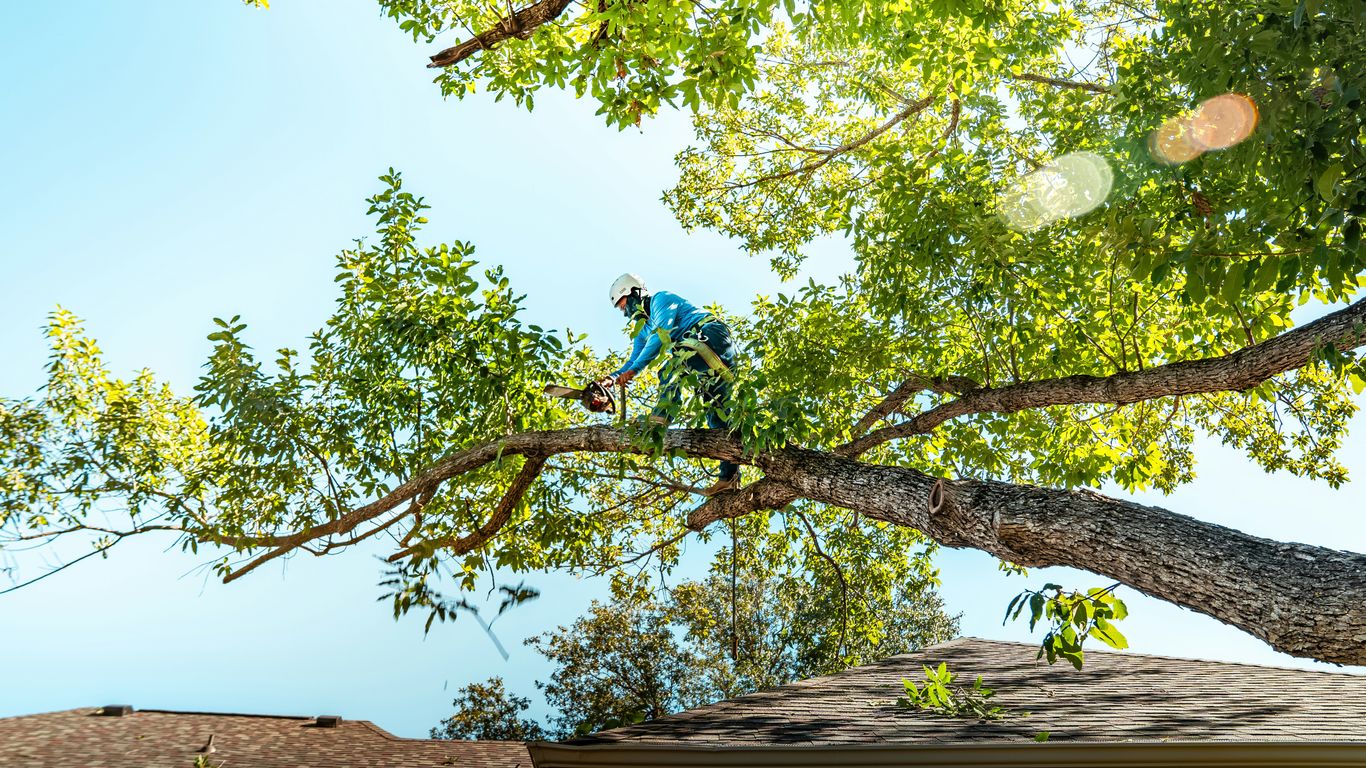
Climbing and rigging for controlled removal
When climbing and rigging suit the site, the climber removes limbs in manageable sections while the ground crew controls their movement. The crew protects the intended landing area and avoids letting heavy pieces swing into structures or landscaping. East Coast Tree Service LLC provides tree removal, including crane-assisted removal when the job calls for it.
When crane-assisted removal makes sense
A crane can help when the tree is too hazardous to climb, when access for a conventional approach is restricted, or when pieces need to be lifted clear of nearby targets. It also needs room to set up and a suitable place to reach the tree from. Crane use is a work-plan decision made after checking the site, not an automatic feature of every large-oak quote.
How nearby targets affect the removal plan
A roof, fence, driveway, garden, or utility line can shape every cut. The crew identifies those targets and chooses a removal sequence that keeps branches and trunk sections under control. A sound plan may take longer than dropping the tree into an open field, but it makes the work more predictable around the property.
Why emergency work can cost more than scheduled removal
Emergency work may require a rapid response while the tree is unstable or a storm has left limbs hanging over a structure. The crew may need to secure the immediate hazard first and complete the remaining removal afterward. East Coast Tree Service LLC offers 24/7 emergency service; the scope and price still need to reflect the actual conditions at the site.
What is and is not included in an oak removal quote
An oak removal quote should spell out what the crew will cut, what will be cleared, and what will remain on the property. Some estimates include hauling and cleanup, while others leave logs or price those tasks separately. We recommend confirming each item before scheduling the work.
Tree removal, cleanup, and wood haul-away
“Removal” can mean taking down the tree without hauling every piece off site. Confirm whether the crew will chip branches, remove brush, cut the trunk into sections, and haul away the wood. East Coast Tree Service LLC provides tree removal and cleanup; ask the estimator to describe the exact scope for your property.
Stump grinding as a separate line item
Stump grinding is commonly listed separately from taking down the tree. If you want the stump ground, ask how deep the work will go and whether surface roots are included. East Coast Tree Service LLC offers stump grinding, so you can request it as a separate part of the estimate.
Log and firewood options to discuss before work begins
If you want to keep the oak, agree on the log length and where the crew should leave it. Large sections may be difficult to move later, even when they are cut down to a manageable length. If you do not have a use or a place for the wood, ask whether haul-away is included.
Extra charges to clarify before accepting an estimate
Before you accept, ask which of these items are part of the quoted total and which would be additional work:
- Hauling logs or brush away from the property.
- Grinding the stump and any surface roots.
- Extra cleanup beyond the stated scope.
- Additional work needed if concealed damage changes the removal plan.
A written answer prevents a low initial figure from obscuring the final scope. Keep the quote with your notes so you can compare the same items across estimates.
How to compare oak removal estimates
Two quotes are comparable only when they describe similar work. One crew may include brush cleanup and hauling while another leaves wood on site, so the totals can look far apart even before considering the removal method. Read the scope first, then compare the price.
Check that each estimate covers the same scope
Put the main work items side by side: removal, branch cleanup, log handling, hauling, and stump grinding. Note what stays on the property and what the crew will take away. For a second local reference, tree removal in Tewksbury describes how access, tree size, and cleanup affect an estimate in that area.
Ask who handles permits and utility coordination
Rules can vary by town and by property, so confirm with the relevant town office whether a permit or other approval is needed. Ask the estimator who will contact the utility provider if lines are involved. Get those responsibilities stated clearly before the work date.
Confirm insurance and the plan for protecting nearby property
Ask for confirmation of insurance and a clear description of how the crew will protect nearby structures and landscaping. The work plan should address where sections will be lowered and where equipment will stand. If a quote does not explain the approach, ask the estimator to walk you through it.
Weigh the lowest bid against the crew, equipment, and work plan
A low bid is worth a careful look, but it is not the whole decision. Compare the written scope, the removal method, the access plan, and whether cleanup is included. Use a short checklist when you review each proposal:
- Does the quote cover the same tree and removal limits?
- Are brush, logs, and haul-away clearly addressed?
- Is stump grinding included or listed separately?
- Does the plan account for nearby structures and access?
When those answers line up, the price comparison becomes more useful. If the scope still feels unclear, ask for revisions before you approve the work.
Conclusion
Oak tree removal in eastern Massachusetts commonly falls around $800 to $3,500, with mature, constrained trees toward the higher end. A site visit and a written scope can show what is driving the estimate and what the crew will leave behind; when you are ready, request an estimate for the tree and property in front of you.
Frequently Asked Questions
How much does it cost to remove a large oak tree?
A large oak commonly falls within a planning range of about $1,800 to $3,500 in eastern Massachusetts, while a difficult or hazardous job can cost more. The site and included cleanup affect the final estimate.
Why does oak removal often cost more than removing a smaller tree?
Mature oaks can have broad crowns, thick trunks, and heavy limbs. Dismantling and moving that material takes more time than removing a small tree in an open area.
Is stump grinding included in an oak removal quote?
Not always. Ask whether stump grinding is included, how deep the work will go, and whether roots are part of the scope.
Does the crew haul away oak logs?
Some quotes include log haul-away and some leave the wood on site. Confirm what happens to both logs and branches before accepting an estimate.
Can a large oak be removed without damaging a nearby house?
Crews can use controlled, sectional removal to manage work near structures, but the method depends on the tree and property. The estimator should explain the plan for each nearby target.
Does an oak tree need to be removed after storm damage?
Not every damaged oak needs removal, but split trunks, hanging limbs, or damage over a structure need prompt assessment. The decision should follow an on-site evaluation of the tree and risk.
Do I need a permit to remove an oak in Massachusetts?
Permit requirements can vary by town and property. Check with your town before work begins, and ask the estimator who will handle any required coordination.