

Key Takeaways
For a typical accessible residential tree in Lowell, budget about $500 to $1,500 in 2026. A large or complicated removal can cost several thousand dollars more.
- Tree size and condition shape the starting estimate.
- Tight access, nearby structures, and utility lines add labor and planning.
- Stump grinding, hauling, and emergency response may be separate costs.
- Confirm current permit requirements with the City of Lowell before work begins.
- Compare written estimates that describe the same removal, cleanup, and stump work.
What tree removal typically costs in Lowell
In Lowell, a typical accessible residential tree removal runs about $500 to $1,500 in 2026; large or difficult jobs commonly range from $1,500 to $5,000 or more. A small tree with open space around it is usually near the lower end, while a mature tree that must be dismantled beside a house costs more. These are area-market budgeting ranges, not a company price list.
Typical ranges for small, medium, and large trees
For a first-pass budget, size offers a useful starting point, but it does not settle the quote. The ranges below describe common eastern Massachusetts residential work and exclude optional stump grinding unless the estimate says otherwise.
| Tree and job type | Typical area range | Common job profile |
|---|---|---|
| Small, accessible tree | $500–$900 | Short tree with room to lower or drop sections |
| Medium residential tree | $900–$1,800 | More climbing, cutting, and debris handling |
| Large or complex tree | $1,800–$5,000+ | Mature canopy, restricted access, or careful rigging |
Treat these as planning figures, not a fixed price for a particular tree. For another Massachusetts-wide view of size-based pricing, see this Massachusetts cost overview.
Why a hazardous or hard-to-reach tree costs more
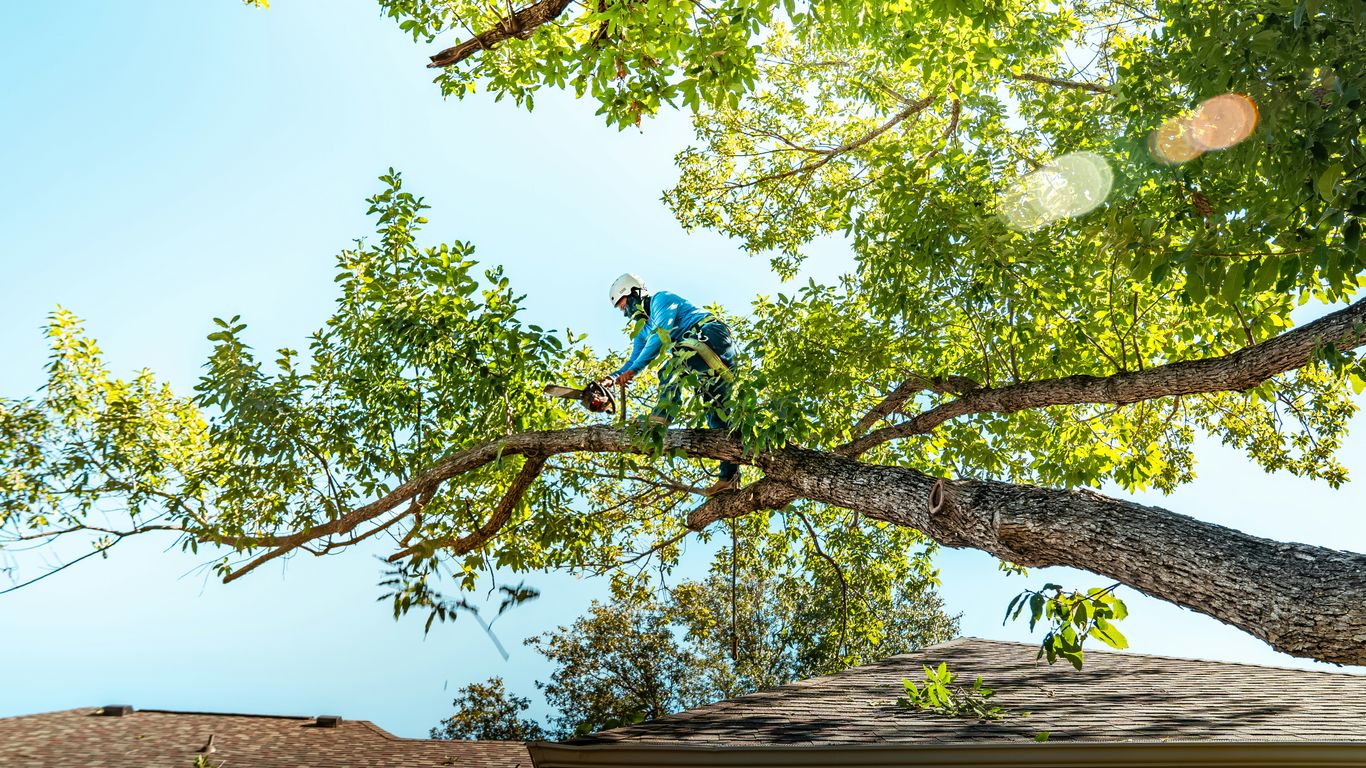
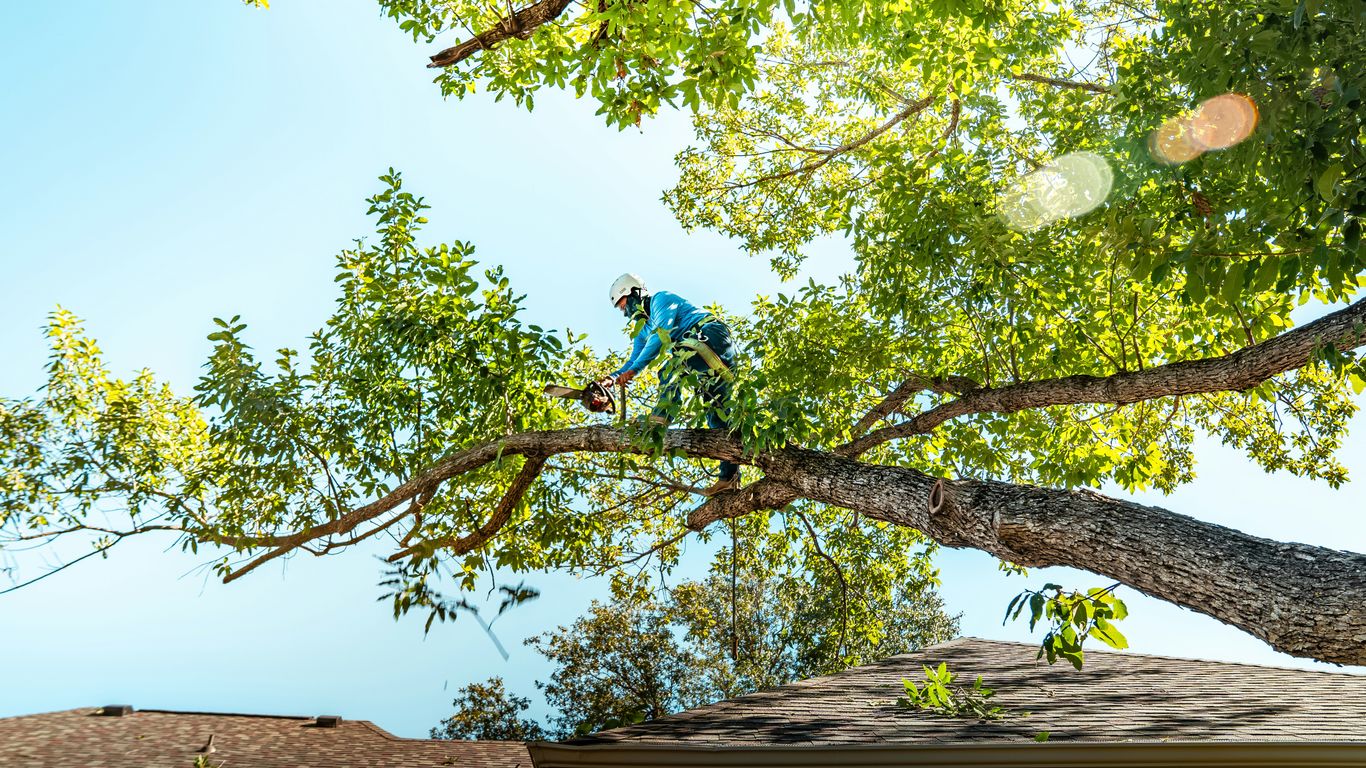
A dead, split, leaning, or storm-damaged tree can require a more controlled removal than a healthy tree with open landing space. A crew may need to cut it into smaller pieces and lower sections rather than letting them fall freely. That adds time and requires a clear plan for people, structures, and equipment.
East Coast Tree Service LLC provides tree removal, including crane-assisted removal and work on tight access lots. For a local service overview, see tree removal in Lowell. The estimate should reflect the tree and its setting, not just its height.
How local market estimates differ from a company’s price
Online cost figures combine reports from different years and job descriptions, so they can be useful for orientation but not as a quote. A published local cost report includes estimates with specific inclusions and exclusions; check its date and scope before comparing it with current work. Our on-site estimate should identify the actual work being priced.
What drives the price of removing a tree
The estimate starts with the tree, then accounts for the work area and how the crew can handle each section. A tall tree is not automatically the most expensive job, and a smaller one can be challenging if it is deteriorated or boxed in. In Lowell, where yards and neighboring buildings can sit close together, the setup matters.

Tree height, trunk diameter, and condition
Height and trunk diameter help indicate how much cutting and material handling the job will take. A broad, heavy canopy also means more branches to control and clear. Condition matters because decay, cracks, or storm damage can change how the tree responds as it is cut.
A red oak can show internal decay without an obvious exterior sign, so an estimate should account for what can be observed on site. We look at the whole tree and its immediate surroundings before setting a scope. Visible size is only a starting point for pricing the work.
Distance from homes, fences, and overhead lines
A tree beside a roof, fence, shed, or overhead line needs controlled cuts and a planned path for the pieces. The closer those obstacles are, the less room there is to lower or move material. Utility-line concerns also require coordination with the appropriate utility provider rather than guesswork by a homeowner.
The estimate should describe any special handling needed around nearby property. If the work area includes overhead wires, do not approach or touch the tree or branches; contact the utility provider for direction.
Crew access, equipment, and cleanup requirements
Access determines how easily a crew can reach the tree and move cut material out. A narrow side yard may rule out some equipment or require more handling by hand. Cleanup also changes the job: leaving wood on site is different from loading and hauling it away.
Before accepting a figure, ask what equipment and debris handling it includes. The same tree can carry different labor needs when the route to the street is short and clear versus narrow and obstructed.
Extra services that can change your total
The base removal and the finished yard are not always the same scope. Stump work, hauling, and special response can add separate line items, so decide what you want before comparing estimates. We should see those items clearly written rather than assume they are included.
Stump grinding and surface-root removal
Removing the trunk does not automatically remove the stump. Grinding is a separate service that reduces the stump below grade; surface roots may also be addressed depending on the agreed scope. If you plan to replant, seed, or change the area, tell the estimator so the written scope reflects that plan.
East Coast Tree Service LLC offers stump grinding, with grinding to about 12 inches below grade and surface roots included. Confirm the requested depth and the treatment of chips in the estimate, since these details affect the finished area.
Hauling logs, branches, and wood chips
Some estimates include full debris removal, while others leave logs or chips on the property. Ask whether branches, trunk sections, and wood chips will be hauled away or left for your use. That small detail can explain why two otherwise similar quotes differ.
If you want firewood or chips kept, say so before work begins and specify where the crew can leave them. A written cleanup description makes the final condition easier to understand.
Crane-assisted removal and emergency response
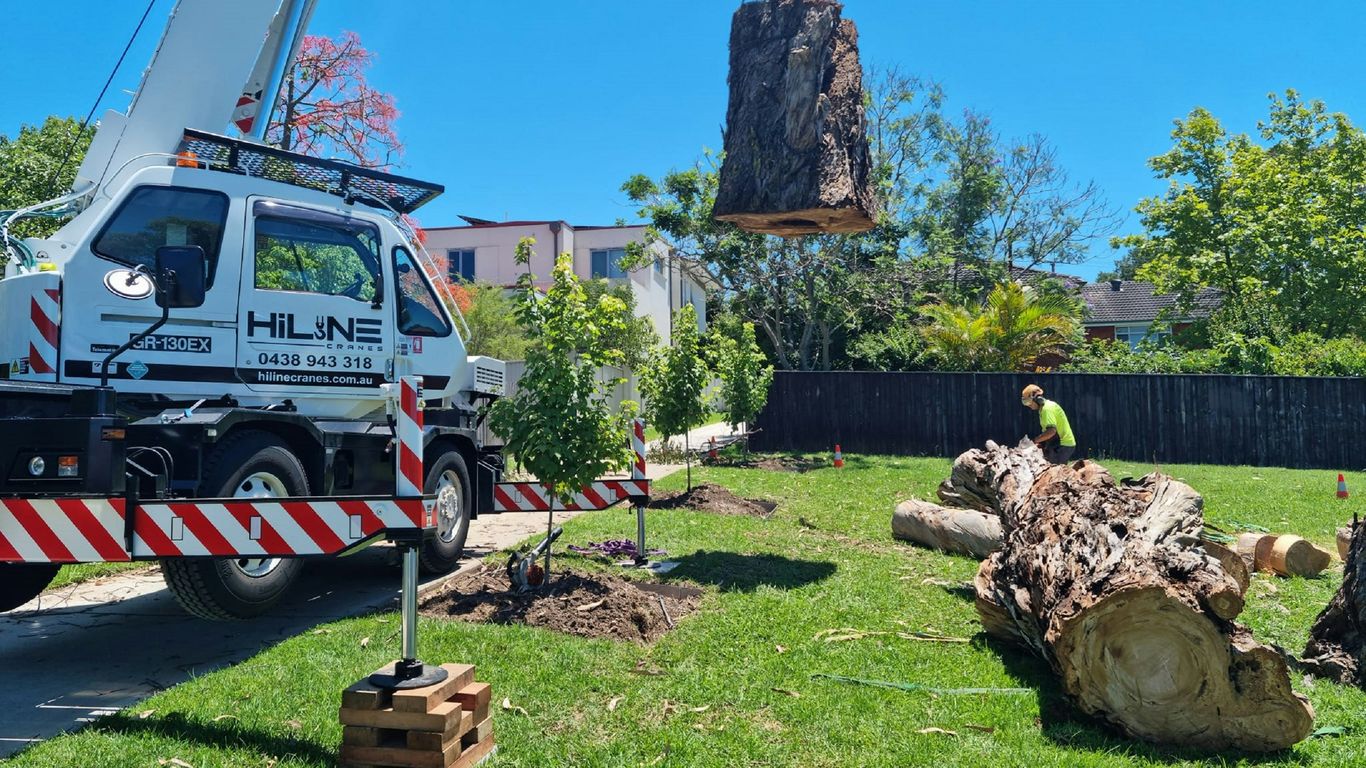
Crane assistance can help with a tree that has limited landing space or difficult access, but the site must allow a safe setup. The estimate should state whether crane work is included and explain any related site preparation. Emergency work after a storm may also involve a different schedule and handling needs than a planned removal.
East Coast Tree Service LLC provides 24/7 emergency tree service and storm response. For a non-urgent job, a planned estimate gives you time to compare scope and cleanup before setting a work date.
How Lowell property conditions affect the job
Lowell properties can put mature trees close to buildings, fences, and narrow side yards. That can affect how a crew reaches the tree, where equipment can sit, and how debris leaves the property. A site visit helps identify these conditions before the estimate is finalized.

Narrow lots and limited equipment access
A tight lot can limit access for larger equipment and reduce the space available to stage branches and logs. The crew may need to bring material through a side passage or work in smaller sections. Those steps take time even if the tree itself is not especially tall.
Point out gates, steps, retaining walls, and overhead obstructions during the estimate. Clear access can help the crew plan, but do not move heavy items or alter a fence unless that work is part of the agreed plan.
Trees near streets, structures, and utility lines
Trees over a street, driveway, roof, or neighboring property need a deliberate sequence for removing limbs and trunk sections. The crew also needs to consider where equipment and debris can be placed without blocking access. If utility wires are involved, confirm who will contact the utility and what must happen before the work proceeds.
Ask the estimator to identify the working area and any limits on parking or access. Do not assume a street closure, utility coordination, or other outside arrangements are included unless the written scope says so.
Seasonal weather and storm damage
Wet spring soil can make equipment access harder and increase the risk of rutting in a yard. Nor’easters and ice can leave broken limbs or unstable sections that call for urgent attention. A white pine with shallow roots may also be more vulnerable to windthrow, while a tree’s actual condition still needs an on-site assessment.
If a storm leaves a tree or limb in contact with wires, keep clear and call the utility provider. For non-emergency work, discuss ground conditions and any protection needed for the lawn before agreeing to a schedule.
Permits, safety, and planning before removal
Before setting a removal date, confirm what approvals apply to your address and the specific tree. Rules can vary with location and circumstances, so we should not assume that a homeowner exemption or permit requirement applies without checking. Put the answer and any required arrangements into your plan.
Check current Lowell rules before work begins
Contact the City of Lowell to confirm current rules for the property and proposed removal. Ask whether an application, inspection, or other approval is required, and keep any written guidance with your estimate. Do not rely on an old online post as a substitute for a current town answer.
The estimate and the city’s requirements serve different purposes. Get the approval question settled before authorizing work that may be restricted.
Confirm who handles utility-line concerns
Call the relevant utility provider when a tree or its branches are close to overhead lines. Ask what coordination is needed and whether the utility must make the area safe before tree work begins. Never treat a line as inactive based on appearance.
Make the division of responsibility clear before scheduling. The crew and utility provider each have roles, and the homeowner should not try to move branches or wires.
Ask how the crew will protect nearby property
Ask what protections are planned for lawns, fences, roofs, and driveways. The crew should explain where branches will be lowered and where equipment or debris will travel. This is also the time to identify fragile landscaping or access points that need attention.
A clear plan does not promise that no mark or disturbance can occur, but it gives everyone the same expectation before the first cut. Confirm what cleanup is included when the work is complete.
How to compare tree removal estimates
A low number is not a fair comparison if it covers less work. Read each quote for removal method, debris handling, stump scope, and any special equipment. A written estimate makes those differences visible before you choose.
Make sure each quote covers the same work
Start by lining up the work descriptions, not just the totals. Check that each estimate addresses the same tree, access route, and amount of cleanup. If a quote leaves out hauling or stump work, ask for a revised scope before comparing it with a more complete figure.
Use these questions to make the comparison practical:
- Does the estimate include taking down the full tree?
- Will branches, logs, and chips be hauled away or left on site?
- Is stump grinding included, and what depth is specified?
- Are crane work or other special access needs listed?
Once the scope matches, the price difference is easier to understand. For work in Lowell, request an estimate with the tree and access conditions clearly described.
Check insurance and the planned cleanup
Ask for confirmation of insurance and make sure the estimate identifies the crew’s cleanup responsibilities. Review whether the site will be raked, whether wood will remain, and how chips will be handled. Do not treat a vague phrase such as “clean up” as a full description.
A clear answer before work starts is more useful than resolving an assumption afterward. Keep the written scope with your other property records.
Get a written scope for removal and stump work
A written scope should identify the tree, the removal work, debris handling, stump grinding if requested, and any exclusions. Read it before approving the job and ask about anything that could change the total. If the estimate is revised after a site change or new information, get that revision in writing too.
A short video can also help you understand how crews commonly dismantle a tree near a home, though it cannot replace a site assessment.
Conclusion
For tree removal cost Lowell MA, use $500 to $1,500 as a starting range for a typical accessible residential tree, and budget more for large, hazardous, or restricted-access work. Confirm Lowell’s current requirements, compare estimates with matching scopes, and ask for an on-site estimate before authorizing removal.
Frequently Asked Questions
What is the average cost to remove a tree in Lowell?
A typical accessible residential removal often falls around $500 to $1,500 in 2026. Large or difficult jobs can cost several thousand dollars more.
Does tree height determine the whole removal price?
No. Height and trunk size matter, but condition, access, nearby structures, equipment, and cleanup also affect the estimate.
Is stump grinding included in tree removal?
Not always. Ask whether stump grinding is included, what depth is planned, and how chips or surface roots will be handled.
Should I remove a storm-damaged tree right away?
If it is on a structure or near utility wires, keep clear and contact emergency services or the utility provider as appropriate. A tree professional can assess the removal needs on site.
Do I need a permit to remove a tree in Lowell?
Confirm current requirements with the City of Lowell for your address and the specific tree before scheduling work. Do not assume that the same rule applies to every property.
How many estimates should I compare?
Compare more than one written estimate when practical, and make sure each covers the same tree, removal, cleanup, hauling, and stump work.
Can a tree be removed during wet or winter weather?
Work can be affected by ground conditions, access, and weather. Ask the estimator how the current site conditions affect the planned work and schedule.
Request an on-site estimate from East Coast Tree Service to discuss the tree, access, and cleanup you need.