

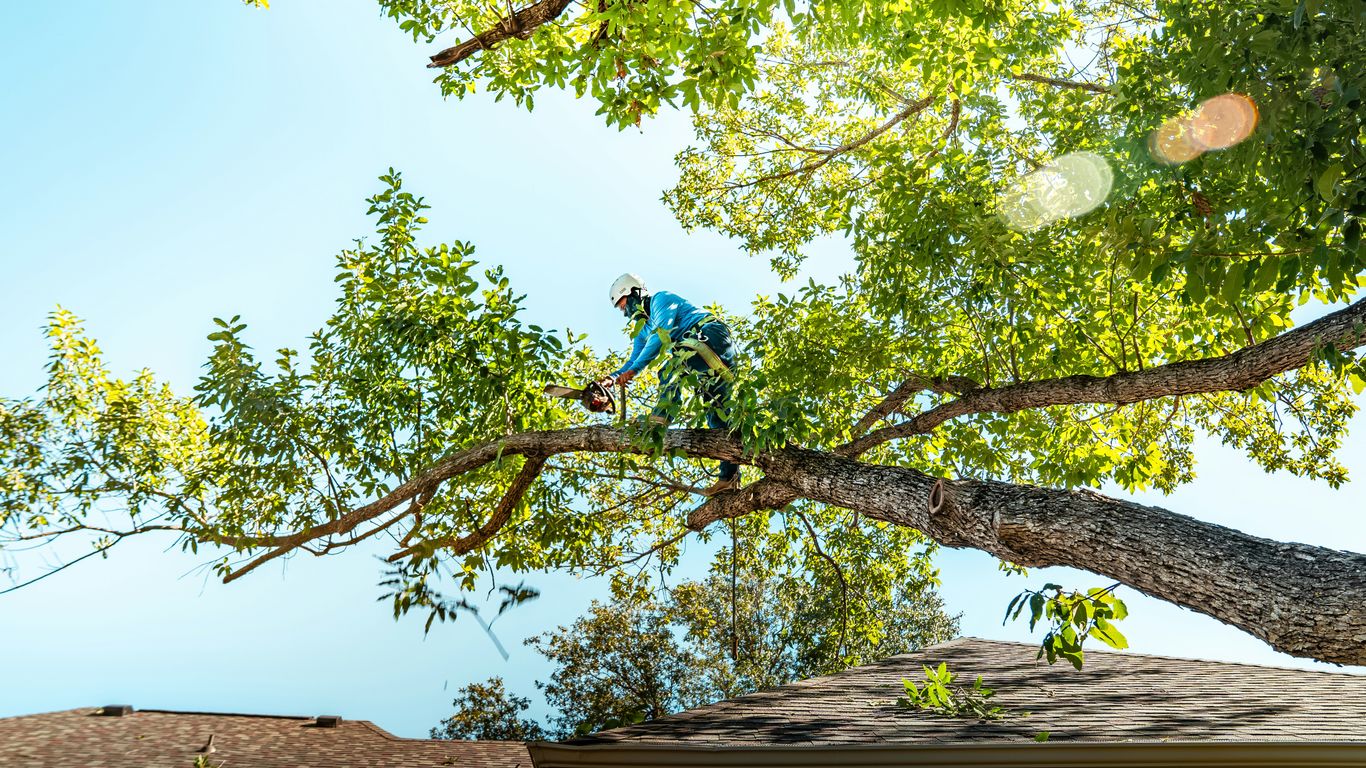
Key Takeaways
For a residential tree removal in eastern Massachusetts, the size of the tree and the work needed around it shape the estimate. Use these points to compare the scope, not just the bottom line.
- Typical residential removals often fall between $500 and $3,500, with many common jobs around $750 to $1,800.
- A tree’s height, trunk size, condition, and proximity to structures affect the work plan.
- Tight access, wet ground, storm damage, or crane work can raise the total.
- Cleanup, hauling, and stump grinding may be separate line items.
- Ask for an on-site estimate that spells out the work and any permit responsibilities.
How much does tree removal cost in Massachusetts in 2026?
Most residential tree removals in Massachusetts cost about $500 to $3,500 in 2026, and many standard jobs land around $750 to $1,800. A small tree in an open yard tends toward the lower end; a large tree close to a house tends toward the upper end. These are typical market ranges for the area, not a company price list. We start with the size and site conditions, then check what the job actually requires.
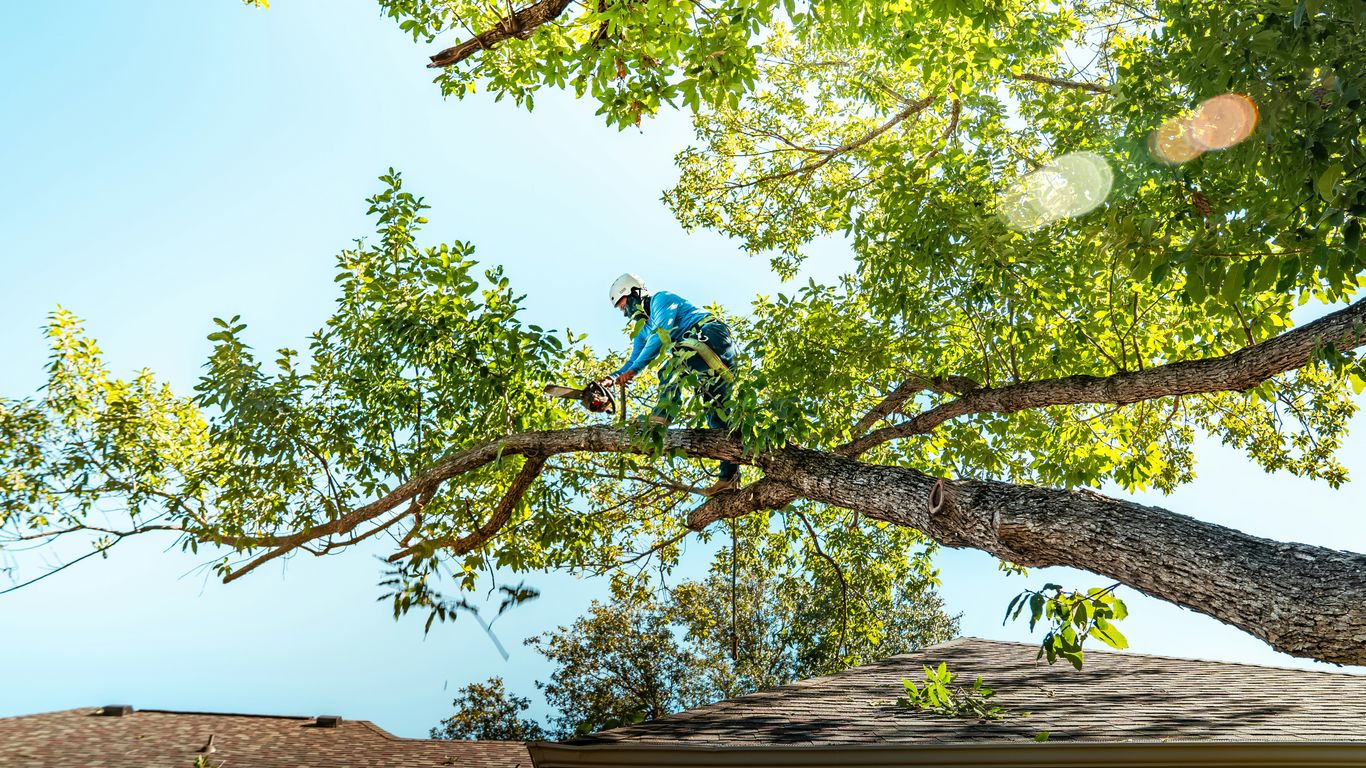
Typical market ranges by tree size
The ranges below offer a starting point for budgeting. They assume a planned residential job and can shift if access is tight, the tree is hazardous, or extra services are needed.
| Job size | Typical market range | Common work profile |
|---|---|---|
| Small tree | $500–$900 | Shorter tree, open work area |
| Medium tree | $750–$1,800 | Climbing or controlled lowering may be needed |
| Large tree | $1,800–$3,500+ | More sections, rigging, or specialized equipment |
The ranges overlap because size alone does not define the job. A relatively modest tree over a roof can take more care than a larger tree with clear space around it. For another local view of pricing factors and quote details, see this Massachusetts tree removal cost guide.
What small, medium, and large removal jobs involve
A small removal may allow the crew to work from the ground and lower sections into an open area. Medium trees often need climbing, rigging, or careful sectioning to keep limbs clear of nearby property. Large removals may require more crew time and equipment, particularly when the tree stands close to a building or access is limited.
The size labels are only a rough guide. We look at the full canopy, trunk, and landing area before choosing a method, since the plan affects labor and equipment needs.
Why an on-site assessment can change an early estimate
A phone description or photo can help set a rough expectation, but it cannot show every obstacle at the site. From the ground, we check the tree’s lean, decay, overhead lines, access for equipment, and where wood can be lowered or staged. Those details can shift the estimate after an on-site assessment.
If you are comparing early numbers, ask what information the contractor used and what remains unconfirmed. That makes it easier to understand why a written estimate may differ from a quick range.
How to read a starting price versus a typical project cost
A starting price usually describes a straightforward job with favorable access and limited cleanup. A typical project total may also include controlled dismantling, brush processing, hauling, or stump work. Check whether each of those items is included before treating two totals as comparable.
An online tool can help with rough planning, but it cannot inspect your yard. This tree removal cost calculator describes an estimate based on project inputs, not a substitute for an on-site assessment.
What affects the cost to remove a tree?
Two trees of similar height can require different amounts of work. We look at the tree’s dimensions, condition, surrounding structures, and the route equipment can take into the yard. A good estimate explains how those details affect labor and the removal method. The goal is a clear scope, not a price based on height alone.
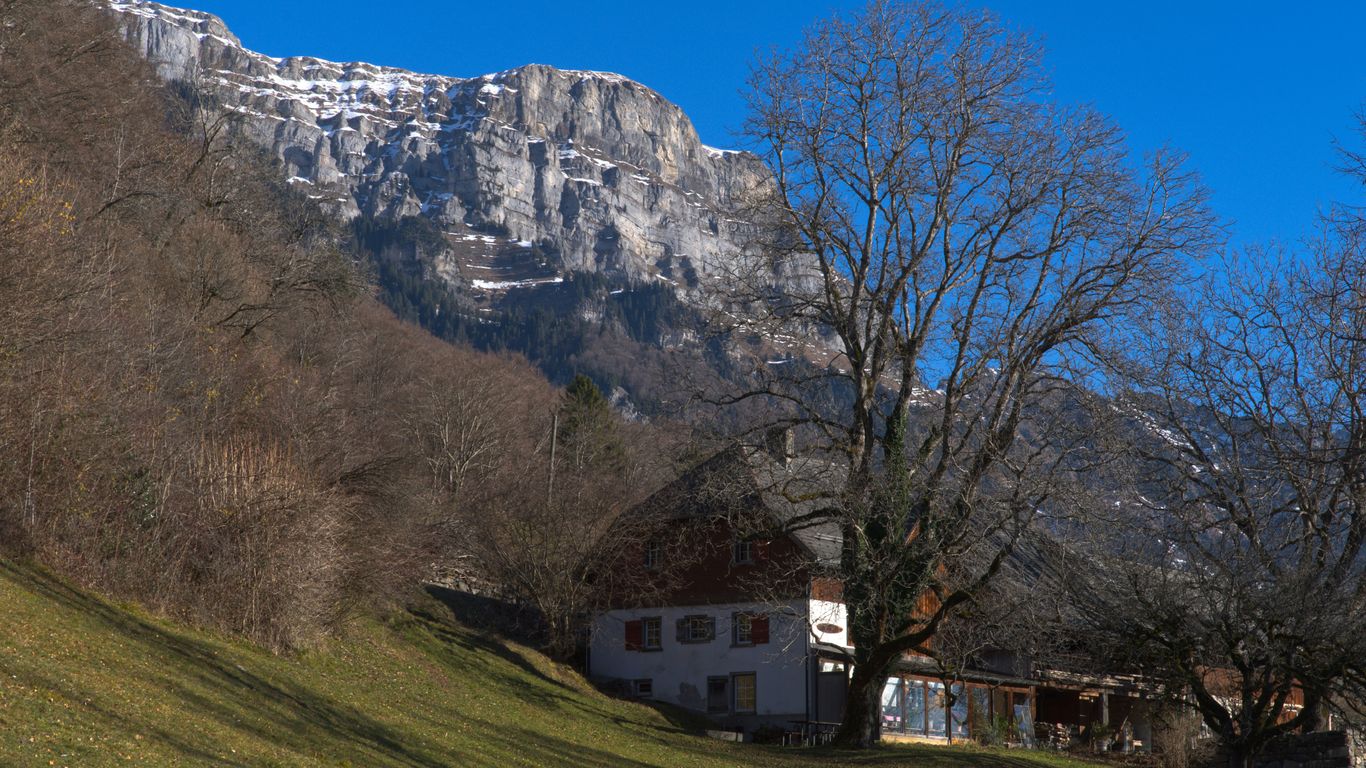
Tree height, trunk diameter, and canopy spread
Height is one part of the measurement. A broad canopy can add work because limbs need to be removed in sections, while a thick trunk means heavier wood and more cutting and handling. The tree’s shape also matters: long limbs extending over a roof or driveway need a controlled plan rather than a simple drop.
We consider how much material the crew must handle and where it can safely go. That is why a quote should describe the actual tree and work area, not just give a height category.
Tree condition and the direction it could fall
Dead or damaged trees can be less predictable than healthy ones. Cracks, decay, a heavy lean, or storm damage may change where a crew can safely climb, attach rigging, or make cuts. In some cases, the tree can’t be felled in one piece and must be dismantled in sections.
The direction it could fall also matters. We assess the site in person and plan around the tree’s condition and the space available, rather than assuming that the clearest-looking direction is usable.
Nearby houses, fences, roads, and utility lines
A tree close to a home, fence, road, or utility line needs more controlled handling. The crew may need to lower limbs in smaller pieces and protect the space below. That takes more time than cutting a tree into an open landing area.
Point out anything that could affect access or the work zone when requesting an estimate. Mention gates, parked vehicles, overhead lines, and neighboring structures so they can be considered during the assessment.
Equipment access and the need for a crane
Access determines which equipment can reach the tree and how the crew can move wood out. A narrow gate, soft lawn, steep slope, or overhead obstruction may limit equipment choices. Crane-assisted work can be considered for difficult sites, but the estimate should explain why it is needed and what work it covers.
The equipment plan should match the site. If a quote includes a crane, ask how it changes the work scope; if it does not, ask how the crew plans to handle the difficult sections.
How Massachusetts conditions can affect the price
Across eastern Massachusetts, local conditions can change how crews reach a tree and handle its wood. Red and white oak, maple, white pine, hemlock, spruce, and black cherry are among the species found in the region, and their size and condition vary from property to property. Nor’easters, ice, and wet spring soil can also affect the work plan. An estimate should account for what is present at your site, not assume every yard is alike.
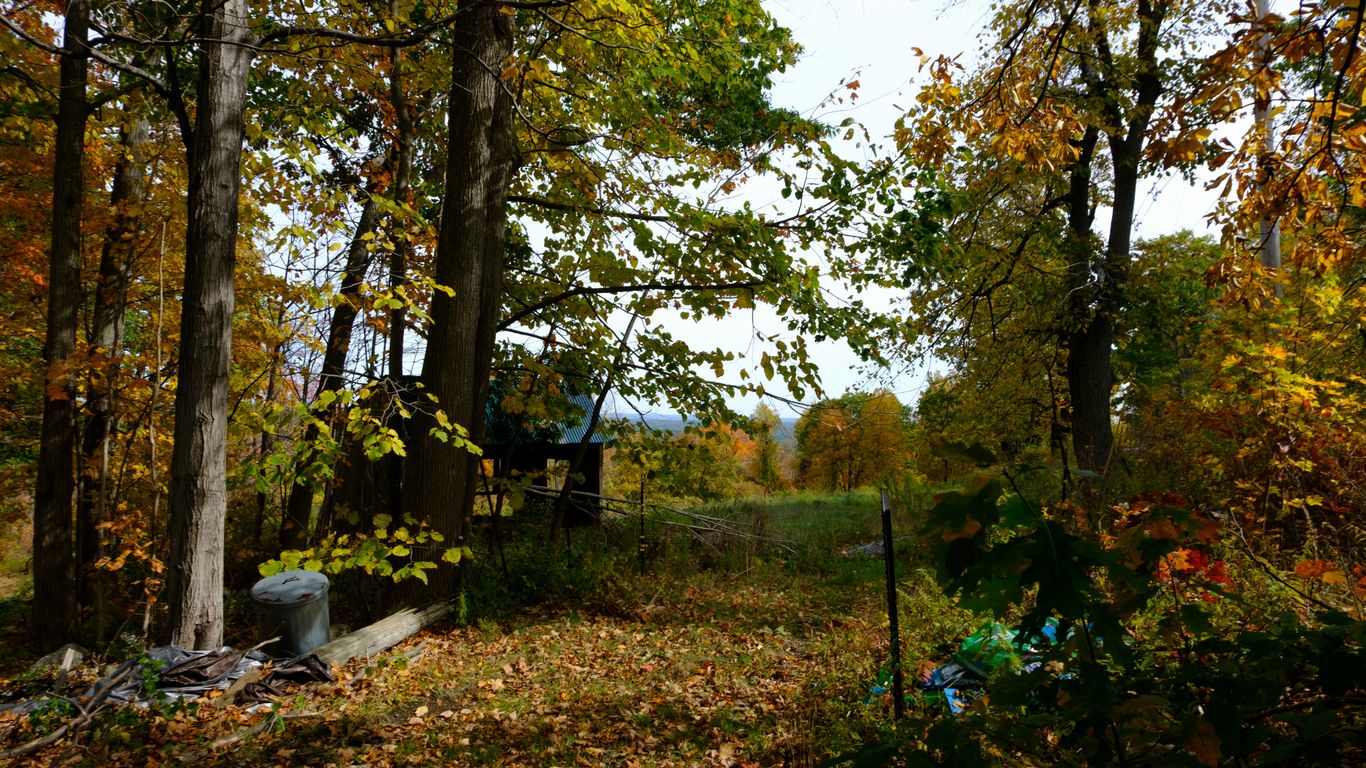
Common tree species and the weight of the wood
Species can affect how branches grow, how much wood must be handled, and how a tree responds to damage. A large hardwood can create heavy sections that need careful lowering and moving. White pine can also be a concern after wind or saturated ground, particularly when roots have limited hold.
Species is one piece of the estimate, not a price category by itself. We consider the tree’s dimensions, health, and position along with the amount of wood and brush to process.
Tight lots and limited access in built-up neighborhoods
On a tight residential lot, the crew may have little room to stage equipment or lay down branches. Fences, sheds, gardens, driveways, and nearby homes can limit where each piece goes. That can mean more controlled sectioning and additional handling.
Tell the estimator about access limits before the work date. A gate measurement, a clear view of the route, and a note about overhead obstructions can help clarify what equipment can reach the work area.
Wet ground, snow, and seasonal site conditions
Wet spring soil can make it harder to move equipment across a lawn without affecting the ground. Snow may cover obstacles or change access, while ice loading and storm damage can leave limbs unstable. These conditions may change the timing or method of work, especially if equipment needs a firm route to the tree.
Season alone does not set the price. The practical question is what the ground and tree conditions allow on the day of the assessment and removal.
Local permit requirements and who to check with
Permit rules can differ by town and by the tree’s location. A tree near a public way, protected area, or other regulated site may need additional review. We recommend checking directly with your town before scheduling work, since local requirements can change what approvals are needed.
Ask the contractor to identify who will confirm permits and whether the estimate assumes approval is already in place. That keeps town coordination from becoming an unexpected delay or cost.
What a tree removal estimate should include
A useful estimate describes the work from setup through cleanup. It should say what tree is being removed, how the crew plans to handle it, and what happens to brush, logs, and the stump. If the quote uses a broad phrase such as “full service,” ask what that means in practice. Clear line items make it easier to compare bids.
Crew labor, equipment, and safe dismantling
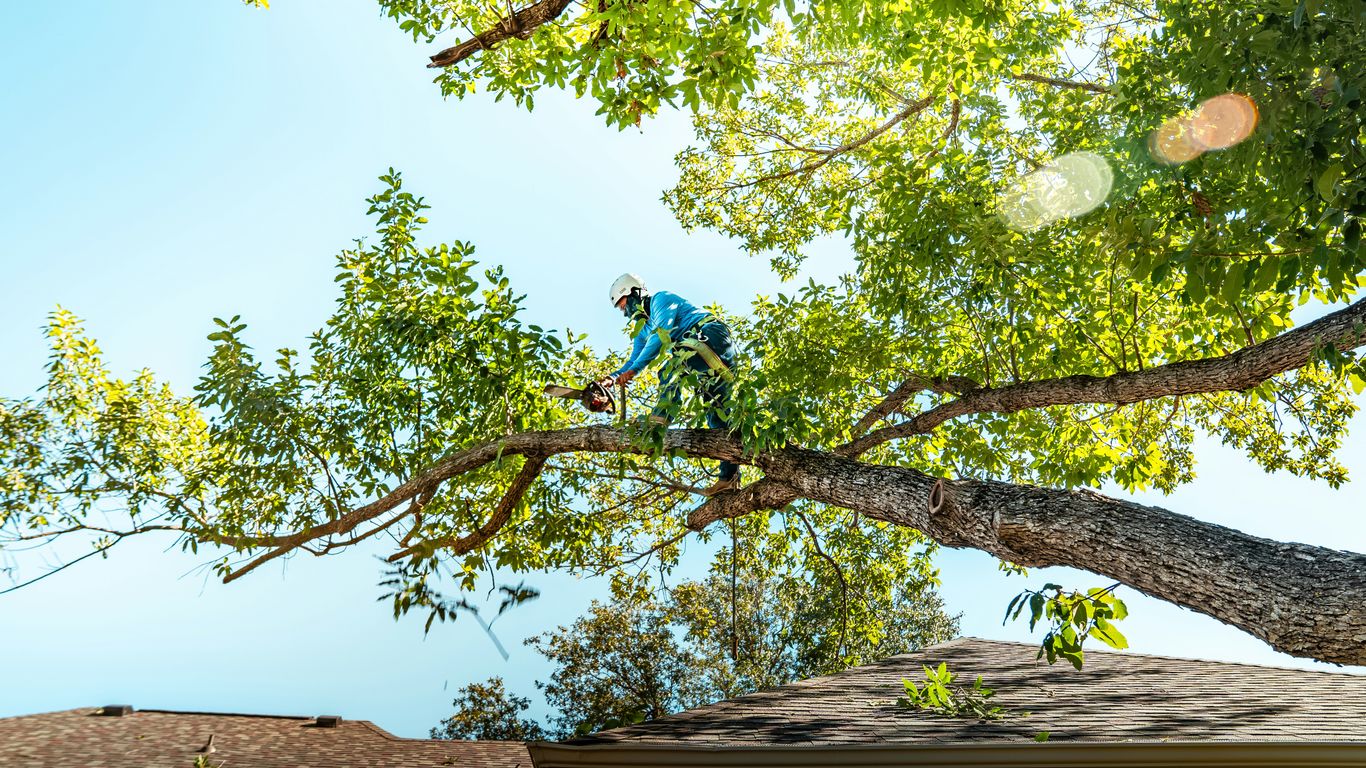
The estimate should outline the crew’s work and any equipment planned for the site. For a tree near a structure, it should explain whether the tree will be removed in sections and how limbs or trunk pieces will be controlled. If specialized equipment is listed, ask which part of the job calls for it.
East Coast Tree Service LLC provides tree removal, including crane-assisted removal and work on tight-access lots. When comparing estimates, focus on the stated work method and what the price covers rather than assuming different methods are interchangeable.
Cleanup, brush chipping, and wood hauling
Cleanup is a frequent source of confusion. Some estimates include processing brush and hauling debris; others leave wood on site or price disposal separately. Ask for a written description of what will be removed and what will remain.
A complete scope should be specific about the cleanup choices, such as whether brush is chipped, whether logs are hauled, and whether the work area is raked or left with larger pieces. East Coast Tree Service LLC offers complete cleanup, so confirm the exact scope with the estimator for your job.
Whether logs can be left on site
Leaving logs on site may reduce hauling needs if you want firewood or can use the wood another way. It also means you need a clear location and a plan for the pieces after the crew leaves. Log size and placement should be agreed on before work begins.
Ask whether the estimate changes if you keep the logs, and specify whether you want them cut into manageable lengths or left in larger sections. Do not assume that “wood left on site” means the same thing in every quote.
Whether stump grinding is included or priced separately
Tree removal does not always include stump grinding. Ask whether the stump remains, whether surface roots are addressed, and how deep grinding goes if it is part of the estimate. If the stump is a separate item, request its price as a distinct line.
That detail matters if you plan to replant, mow, or change the grade in that area. A quote that separates stump work makes the total easier to understand.
Which services can add to the total?
Some jobs need work beyond a planned removal in an open yard. Storm response, crane assistance, stump grinding, or additional coordination can add labor and equipment. Ask which of these items apply to the tree in question and why. A line-item estimate helps you separate required work from optional services.
Emergency removal after a storm
After a nor’easter or other storm, a split tree or hanging limb may need prompt attention. Emergency work can involve unstable sections, blocked access, or a tree resting on a structure, which changes the work plan. East Coast Tree Service LLC offers 24/7 emergency tree service; ask the provider what response and work are included in the estimate.
If the tree is not an immediate hazard, a planned assessment can help define the scope before work starts. For urgent conditions, keep clear of the tree and contact a qualified tree service.
Crane-assisted work for difficult sites
A crane may be considered when a tree is large, difficult to reach, or positioned so that sections cannot be lowered safely by other means. Crane work can involve coordination and equipment costs, so the quote should state what task requires it. It is not automatically needed just because a tree is tall.
Ask how the crane changes the removal plan and whether setup or access work is included. That gives you a fair basis for comparing a crane-assisted estimate with another proposed method.
Stump grinding and surface-root removal
Stump grinding is often a separate service from taking down the tree. The price can reflect stump size, access for the grinder, and the amount of surface-root work requested. Confirm the grinding depth and how the resulting chips will be handled.
If you only need the stump lowered below the surrounding grade, say so. If you plan to use the area for planting or another purpose, explain that before the work is priced.
Additional coordination for restricted work areas
Work near a road, public space, utility line, or restricted property area may require extra coordination. The crew may need to plan equipment placement, keep access clear, or confirm permissions before starting. Those steps can affect the schedule and the estimate.
Ask which party is responsible for contacting the town or coordinating site access. A clear answer reduces last-minute uncertainty about who needs to do what.
How to compare quotes and manage the cost
A low total is not always the lower-cost choice if it excludes hauling or stump work you expected. Compare the tree, method, cleanup, and any additional services line by line. Ask each estimator to identify assumptions, especially around access and disposal. Then compare like with like.
Compare the work scope, not just the total
Put the estimates side by side and check whether they cover the same tree and the same finish. A short checklist helps catch gaps before you accept a quote.
- Confirm the tree and work area each estimate covers.
- Check whether dismantling, equipment, and crew labor are included.
- Compare brush chipping and wood hauling terms.
- Verify whether stump grinding is included or separate.
If one estimate omits an item, ask for a revised scope rather than guessing what the total means. That way, the price comparison reflects the work you actually want.
Ask how cleanup, hauling, and stump work are handled
Cleanup terms can change the final cost and the condition of the yard after the crew leaves. Ask whether brush is chipped, logs are hauled, and stump grinding is included. If you want to keep wood, agree on where it will be left and how it will be cut.
For a local example of the details that can affect a quote, see tree removal in Tewksbury. Treat town-specific ranges as a point of comparison, not a substitute for assessing your own site.
Confirm insurance and who is responsible for permits
Before work begins, confirm that the tree service is insured and ask who will check permit requirements with the town. Do not assume a contractor or property owner has handled an approval unless that responsibility is clear. Keep the answer with the written estimate.
For the estimate itself, you can request an estimate and describe the tree, access, and any nearby structures. East Coast Tree Service LLC offers free estimates; confirm the scope and any permit responsibilities during the discussion.
Ask whether pruning or a risk assessment could avoid removal
Removal is not the only option for every problem tree. Pruning may address a specific clearance issue, while a tree hazard or risk assessment can help evaluate a concern before you decide. The right recommendation requires an on-site look at the tree and its surroundings.
Ask what the concern is, what work could address it, and what limits that alternative has. We should not call for removal or recommend pruning without assessing the tree in person.
Conclusion
For most residential jobs in Massachusetts, plan on roughly $500 to $3,500, with many common removals around $750 to $1,800. Use that range to frame your budget, then get a written on-site estimate that spells out access, equipment, cleanup, hauling, and stump work.
Frequently Asked Questions
What is the average cost to remove a tree in Massachusetts?
Many standard residential removals fall around $750 to $1,800, while the broader typical market range is about $500 to $3,500 or more for difficult jobs. Tree size, access, condition, and included cleanup affect the total.
Is stump grinding included in tree removal?
Not always. Ask whether grinding is included, how deep it will go, and whether surface roots and wood chips are part of the quoted work.
Does a larger tree always cost more to remove?
A large tree often takes more labor and equipment, but height alone does not determine the price. A smaller tree over a roof or near utility lines may require more controlled work.
Can I save money by keeping the logs?
Possibly, if leaving logs on site reduces hauling or disposal work. Confirm the price difference and agree on the size and location of the pieces before the job begins.
Does storm damage make removal more expensive?
It can. A damaged or unstable tree may need a different work method, and urgent conditions can make access and safe handling more complicated.
Do I need a permit to remove a tree in Massachusetts?
Requirements vary by town and by where the tree stands. Check with your local town before scheduling work, and confirm who is responsible for checking any approvals.
Can pruning cost less than removing a tree?
Pruning can be a smaller scope when it addresses the specific issue, but it is not suitable for every tree. An on-site assessment can help determine whether pruning, risk evaluation, or removal is appropriate.