

Key Takeaways
For 2026, budget about $500 to $3,500 for tree removal in Billerica, MA. Many standard residential jobs fall between $750 and $1,800.
- A small, accessible tree usually costs less than a tall tree near a home or utility line.
- Tree size, condition, equipment access, and nearby structures shape the estimate.
- Confirm whether cleanup, hauling, and stump grinding are included.
- Ask the Town of Billerica about approval requirements before scheduling.
- Compare written scopes of work, not just the final price.
Typical tree removal cost in Billerica, MA
For a typical tree removal cost billerica ma homeowners can use a 2026 planning range of about $500 to $3,500. Many standard residential jobs fall between $750 and $1,800. The figures are local-market budgeting ranges, not a quote for a particular tree.
How tree size changes the typical local price range
A small tree with a clear drop zone takes less time to cut and handle than a mature oak or pine that must come down in sections. Height and trunk diameter matter because they affect the amount of cutting, rigging, and debris handling involved. The tree’s condition also changes how the crew can approach it.
These broad bands help with early planning, though a site visit may place a specific job outside them. The middle band reflects many standard residential removals in eastern Massachusetts.
| Job type | Typical market budget |
|---|---|
| Small, accessible tree | About $500–$750 |
| Common residential removal | About $750–$1,800 |
| Large or complex removal | About $1,800–$3,500+ |
Treat the ranges as a starting point rather than a price promise. For a broader state-level breakdown, see this Massachusetts removal cost guide.
Why a simple yard removal costs less than a complex job
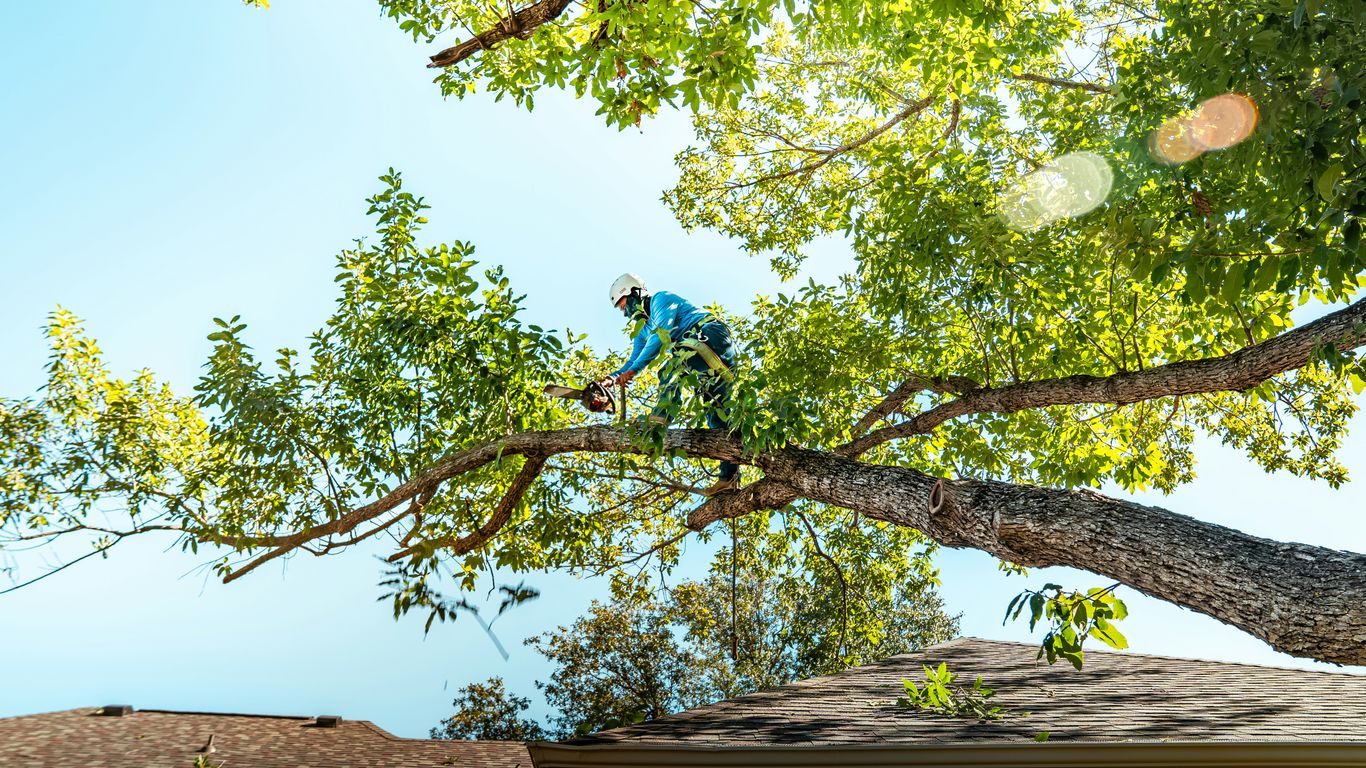
A tree in an open part of the yard may allow the crew to work efficiently and lower branches in a clear area. A tree close to a house, fence, or driveway may need to be dismantled in smaller sections to keep limbs away from those targets. More careful handling adds labor and time.
The removal method is only part of the job. A narrow gate, soft ground, or a long route from the tree to the truck can also slow down equipment and debris movement.
Use market ranges as a budget, not a guaranteed quote
Published prices help you decide whether to get an estimate now and what questions to ask. They cannot account for the lean of a particular tree, the condition of its trunk, or the way a crew can reach it. A written, on-site assessment is the useful number for your property.
For Billerica-specific service information, review tree removal in Billerica. East Coast Tree Service LLC provides tree removal, including crane-assisted removal when the job calls for it.
What drives the price of a tree removal
Two trees of similar height can carry different estimates because the work around them is different. In Billerica, mature red and white oaks, maples, and white pines each have their own canopy and wood characteristics. The price reflects the tree and the crew’s working space, not just a measurement from the ground.
Tree height, trunk diameter, species, and condition
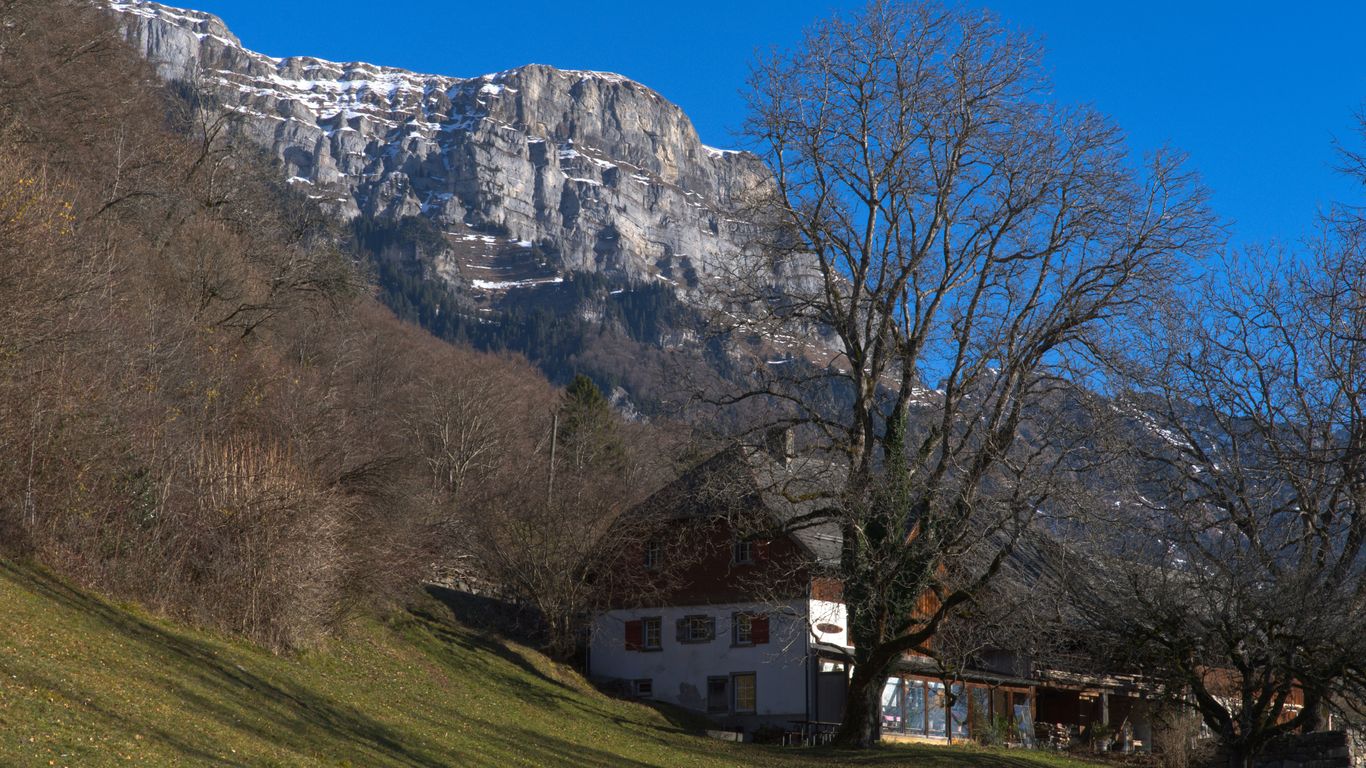
A taller tree usually means more material to cut and manage, while a wider trunk can require more cutting and handling. Species and structure matter as well: a broad hardwood canopy behaves differently from a tall conifer. Dead, split, or decayed sections call for careful assessment before the crew chooses a removal sequence.
A red oak can show internal decay that is not obvious from the outside, so appearance alone does not settle the question. We need to assess the tree on site before deciding what work is appropriate.
Access for crews and equipment on Billerica properties
The route from the street to the tree affects the work plan. A narrow side yard, steep ground, wet spring soil, or limited room to stage equipment can add setup and handling time. If a truck or other equipment cannot reach the work area, the crew may need to handle more of the tree by hand.
An estimate should account for where equipment can safely sit and how wood and brush will leave the property. That is why photos can help start a conversation, but they do not replace an on-site look.
Nearby homes, fences, driveways, and utility lines
Targets around the tree affect how branches and trunk sections can be lowered. A roof, garage, fence, or paved driveway may leave little room for a direct drop, so the crew may need to control each section. Utility lines add another hazard that must be identified before work begins.
A clear estimate should describe the removal approach and note important site limits. Do not treat a low number as comparable until you know whether both estimates cover the same care around property and overhead lines.
What a tree removal estimate should include
A useful estimate says what the crew will remove, how the work area will be left, and what happens to the wood and brush. It should also state whether the stump is included or priced separately. Ask for details before comparing totals, so you are not guessing about cleanup after the work is done.

Cutting, lowering, cleanup, and debris hauling
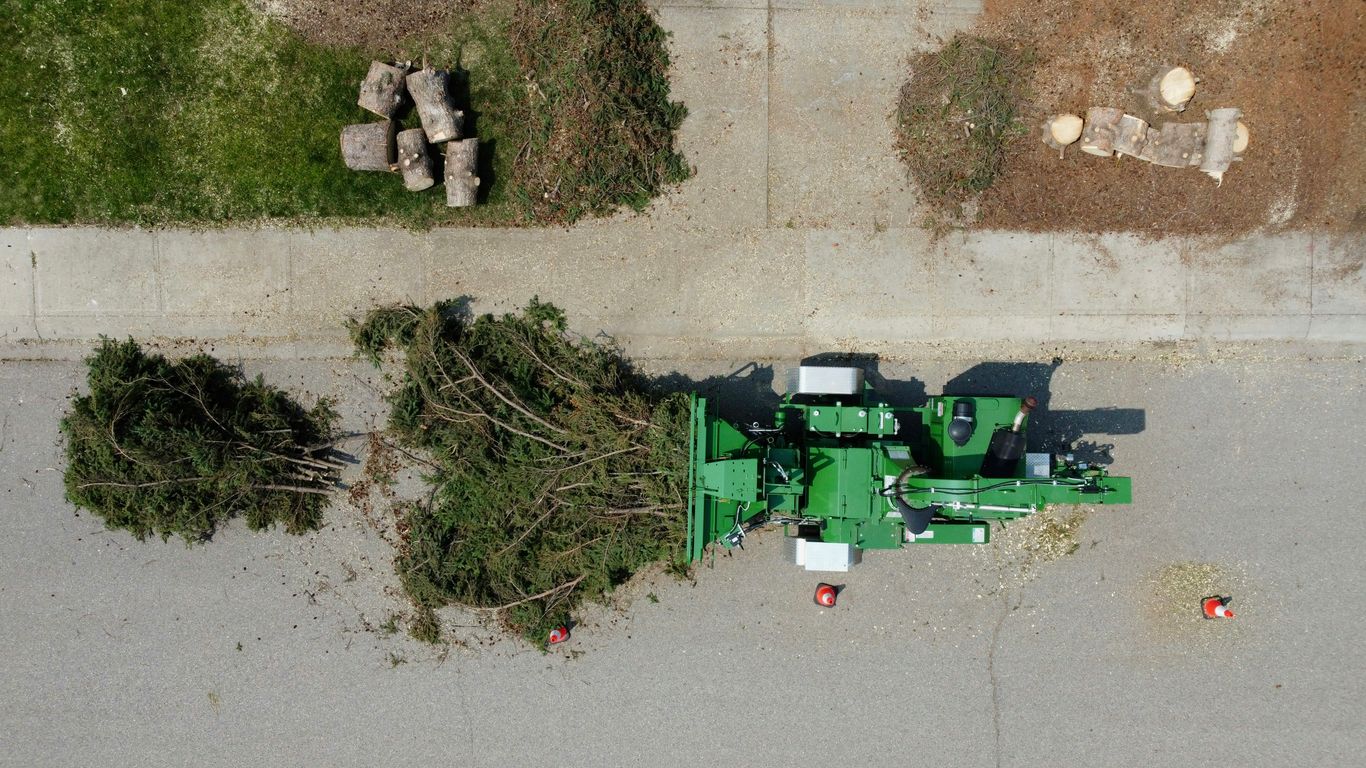
Removal may include cutting the tree, lowering sections where needed, and collecting the resulting debris. Hauling is not always described the same way on estimates, so ask whether wood and brush will be removed from the property or left in a designated spot. East Coast Tree Service LLC provides tree removal and complete cleanup as an offered service; confirm the exact scope for your job in writing.
Use a short checklist to make sure bids cover the same work:
- Tree sections and limbs to be removed
- Whether wood and brush will be hauled away
- Cleanup of the immediate work area
- Any exclusions, such as firewood left on site
Once you have those answers, compare the estimates line by line. A lower total may reflect a different debris plan rather than a lower cost for the same work.
Stump grinding as a separate service or add-on
Cutting down a tree does not automatically mean the stump will be removed. Stump grinding is often a separate service or an added line on the estimate, so ask about it before accepting a price. East Coast Tree Service LLC offers stump grinding; confirm whether that work is included and what area it covers.
The stump’s size and location can affect the work, especially if access is tight or surface roots extend beyond the trunk. If you plan to replant or change the yard, tell the estimator so the scope matches what you need next.
How to interpret an advertised starting price
An advertised starting price describes a floor for some jobs, not a quote for every property. It may not include hauling, stump grinding, or the extra work needed near a building. Ask what conditions qualify for that price and what services are outside it.
For a job-specific figure, request an estimate after an on-site assessment. A written scope makes it easier to see whether the estimate covers the same work you have in mind.
When a removal can cost more
The upper end of the local range usually reflects added time, equipment, or risk controls. A tree that has failed in a storm may be under tension or resting on another structure, which changes how the crew can approach it. The estimate should explain the work that makes the job more involved.
Emergency work after a storm or when a tree is unstable
An unstable tree or a tree resting on a structure can require prompt attention and a controlled work plan. Storm conditions may leave hanging limbs, split trunks, or blocked access, so the crew must assess what can be handled safely. East Coast Tree Service LLC offers 24/7 emergency tree service for urgent situations.
If there is immediate danger near a utility line, keep clear and contact the utility provider or emergency services as appropriate. Do not approach a hanging limb or attempt to cut a damaged tree yourself.
Crane-assisted removal and other specialized equipment
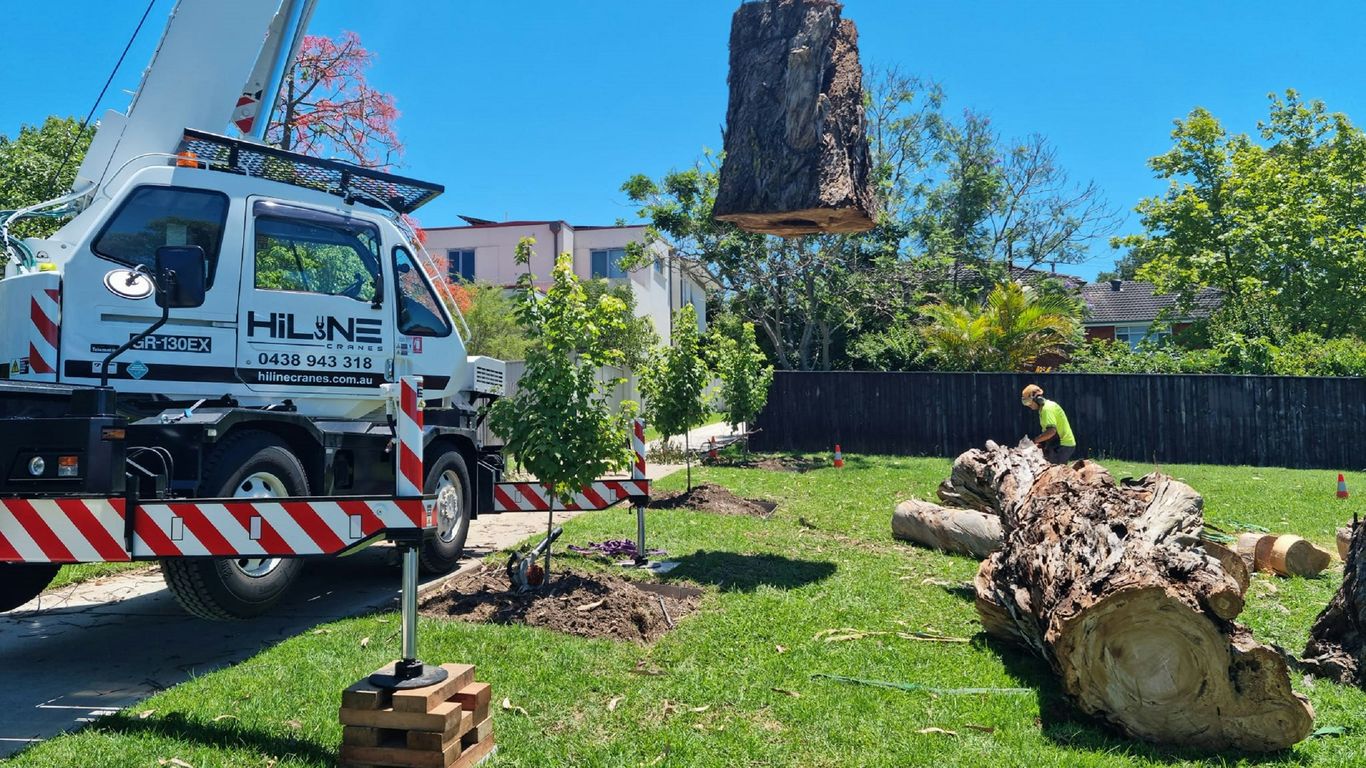
A crane can help remove sections when a tree is large or the space around it does not allow a conventional approach. Crane work adds equipment and setup to the job, so it can raise the estimate. It is not necessary for every large tree; the site and removal plan determine whether it fits.
For an example of how this service is described locally, see crane-assisted removal. Ask the estimator to explain what the equipment changes about the work and whether another approach is practical.
Multiple trees, difficult access, and added site cleanup
Several trees may share staging space, but each still needs its own assessment and scope. A tight gate or limited route can increase the handling needed for every tree. Extra cleanup, hauling, or leaving selected wood on site should be written down so expectations match the price.
If you are pricing more than one tree, ask for separate line items as well as a combined total. That gives you a clearer choice if you decide to schedule only part of the work.
Permits and property checks before scheduling
Before work begins, confirm who owns the tree and whether the Town of Billerica requires approval for the planned removal. Rules can vary by location, tree status, or property conditions, so do not rely on a general online price guide for a permit answer. Call the town department responsible for tree or building matters and describe the property and proposed work.
Confirm whether Billerica requires approval for your tree
Ask the town whether the specific tree or property falls under a permit, bylaw, or other review process. Share the address and explain whether the tree is on private property, near a public way, or subject to another local restriction. Get instructions directly from the town before setting a work date.
If approval is required, ask what documents and timing apply. Keep any written response with your estimate and scheduling notes.
Check property lines and shared-tree responsibilities
A trunk near a boundary can make ownership less obvious than the canopy suggests. Check a survey or property records if the line is uncertain, and speak with the adjoining owner before authorizing work that may affect shared space. Do not assume that branches crossing a line settle who owns the tree.
Clear ownership and access questions before a crew arrives. That avoids a preventable pause once equipment and workers are on site.
Ask about utility-line hazards before work begins
Identify overhead service lines and other utility hazards during the estimate. Keep people away from a tree touching or close to a line, and contact the utility provider for direction. A homeowner should not try to cut branches near power lines.
Tell the estimator about lines that may be hidden by foliage or cross the planned equipment route. The work plan needs to account for those hazards before cutting starts.
How to compare estimates and control costs
The clearest way to compare tree removal prices is to put the scope next to the total. One estimate may include hauling and stump grinding while another covers only cutting and cleanup. Make sure the tree, access conditions, and requested services are described consistently.
Get an on-site assessment and a written scope of work
An on-site assessment lets the estimator see the tree’s condition, nearby targets, and access route. Ask for a written scope that names the tree or trees, the work planned, and what the crew will leave behind. A clear scope is more useful than a phone number based only on a photo.
Ask each estimator to explain any major difference in approach or price. A short explanation can show whether the bids describe the same job.
Compare cleanup, stump work, and disposal line by line
Cleanup and disposal can account for a meaningful part of the work, so compare those details separately. Check whether the estimate includes hauling, stump grinding, and removal of smaller brush. If a service is excluded, ask for its price before making the comparison.
When the line items are clear, you can choose the work you need without confusing an optional add-on with the base removal. Keep a copy of the scope so the agreed cleanup is clear on the day of the job.
Avoid cutting corners on insurance, safety, and tree condition
Price matters, but a very low estimate is not useful if it leaves basic questions unanswered. Confirm that the contractor has appropriate insurance and ask how the crew plans to handle nearby structures and hazards. Do not agree to a removal based only on a distant photo when the tree’s condition has not been assessed on site.
Choose the estimate that explains the work plainly and includes the services you need. That gives you a sound basis for scheduling and for comparing any changes to the scope.
Conclusion
For Billerica, a practical 2026 budget is about $500 to $3,500, with many standard residential removals around $750 to $1,800. Size, access, nearby structures, cleanup, and stump work shape the final estimate. Confirm town requirements and compare written scopes before choosing a date.
Frequently Asked Questions
Here are quick answers to common questions about planning and pricing a tree removal in Billerica. Use them as a starting point, then confirm the details for your property with the town and the estimator.
What is the typical cost to remove a tree in Billerica?
A broad 2026 market range is about $500 to $3,500, with many standard residential jobs falling between $750 and $1,800. A written on-site estimate gives the price for the specific work.
Does tree height change the removal price?
Yes. Taller trees and wider trunks generally mean more cutting and material to handle, and they may require a more involved removal plan.
Is stump grinding included in tree removal?
Not always. Ask whether stump grinding is included, priced separately, or excluded from the estimate.
Can a tree near a house cost more to remove?
It can. Limited room near a house may require the crew to lower sections carefully rather than drop them into an open area.
Does Billerica require a permit to remove a tree?
Requirements can depend on the property and the tree. Contact the Town of Billerica and describe the planned removal before scheduling.
Can emergency tree removal cost more?
Urgent storm work can involve unstable limbs, difficult access, or additional control measures. Ask the estimator to explain the work and charges included in the emergency scope.
What should I compare in tree removal estimates?
Compare the tree and removal method, cleanup, hauling, stump work, and exclusions. Written estimates with matching scopes are easier to evaluate fairly.